Universiteit Utrecht Faculteit Geneeskunde Utrecht history is not merely a topic concerning the past but also a method of gaining a deeper understanding of the present and thinking about the future.
About Universiteit Utrecht Faculteit Geneeskunde Utrecht
One cannot possibly comprehend the complexity of the world today without an appreciation of the past. Through the gathering of sources, their analysis, and interpretation, you will gain insightful knowledge of developments in the past. Simultaneously, you will be taught to approach the past from a variety of angles, promoting critical thinking and a richer appreciation of varied contexts.
Universiteit Utrecht Faculteit Geneeskunde Utrecht – Table of Contents
- About
- Advantages
- Ranking
- Departments And Course Duration
- Facilities And Infrastructure
- Fee Structure
- Required Documents
- Eligibility Criteria
- Admission Process
- Benefits
- Privileges And Benefits for Indian Students
- FAQ’s
During first year, you will study history in outline form, from ancient to contemporary times. This provides a foundation that familiarizes you with major events, themes, and processes that have influenced societies over many centuries. From the second year on, the course becomes more specialized.
You can pursue the History track, where you develop extensive knowledge of historical contexts, political changes, cultural transformations, and global events. For students interested in recent global concerns, the university also features a distinct International Relations in Historical Perspective track that connects historical learning with contemporary international relations.

Universiteit Utrecht Faculteit Geneeskunde Utrecht Accreditations, Affiliations, Recognitions
The programme also invites you to enrich academic and professional development. You can practice knowledge by doing internships, where you acquire actual experience in cultural institutions, research institutions, or government organization’s. Moreover, you can enhance student studies by studying abroad, leveraging Utrecht University’s solid international connections to discover history as a global phenomenon.
In Utrecht, political history and international relations are part of the core History curriculum. Therefore, the program is a perfect option for prospective students who are yet to choose between History, Political Science, and International Relations since it provides a balanced and multidisciplinary study.
Outside the classroom, you can also be part of the active student organization De Utrecht’s Historize Student Kring. The organization holds a diverse variety of activities including academic lectures, cultural trips, sports competitions, theater performances, parties, galas, study tours, and even political cafés—offering chances for academic growth as well as social interaction.
For exceptionally able and committed students, Utrecht University also has Honors Programmes that offer an additional level of academic challenge. These programmes are intended to foster critical thinking, deliver more intensive and detailed learning experiences, and enable students for leadership in the academic environment, policymaking, or professional practice.
Advantages of Studying in Universiteit Utrecht Faculteit Geneeskunde Utrecht
High-Quality Teaching and Research: Utrecht University is known for its high-quality research and teaching, enabling innovative learning and medicine.
Interdisciplinary Approach: The teaching is structured based on an excellent interdisciplinary approach, facilitating the comprehensive understanding of medical topics and stimulating a broader outlook.
Small Group Instruction: Small group classes are a major component of the learning process, promoting intimate interaction among students and lecturers for more engaging and productive learning.
Excellent Staff-to-Student Ratio: The university has a good staff-to-student ratio (1:4), which facilitates active learning and allows for plenty of support from tutors and lecturers.
International Community: You become part of a vast global community, learning among students from more than 118 countries that gives you varied exposure and prepares you for a worldwide career.
Vibrant Student City: The city of Utrecht is a vibrant, cosmopolitan student city with an abundance of cultural, social, and sports facilities that adds a rich essence to your student life.
Top-Tier Ranking: Utrecht University is ranked as one of the top-rated universities in Europe and globally, a testament to its adherence to academic excellence.
Latest Notifications:
Universiteit Utrecht Faculteit Geneeskunde Utrecht – Ranking
Universiteit Utrecht – Faculteit Geneeskunde (UMC Utrecht)
Since September 2023, Utrecht University’s Faculty of Medicine has been operating a forward-thinking program called The New Utrecht School. The program is an umbrella within UMC Utrecht, encompassing all the initiatives with the aim to align them where opportunities are available and bring them into greater visibility among students, faculty, and the community at large.
Not only does it enable cooperation by linking initiators with each other, but it also gives rich feedback on strategy, issues, and hurdles encountered in implementation. Also, the programme ensures proper communication and outreach, aiming to get the New Utrecht School well-known and valued across UMC Utrecht.
Through this process, it seeks to motivate and empower students, healthcare workers, researchers, and patients to collaborate in the production of high-quality, innovative, and internationally unique education.
Its foundation is traceable to the historical Utrecht School, a movement arising from interdisciplinary cooperation in social sciences, law, and medicine. These thinkers accepted cross-fertilization of knowledge in seeking innovative solutions for great societal problems.
Incidentally, although the original Utrecht School pioneers did not fully understand how significant their work was back then, others did. There was even a Strasbourg professor who gave it the label of “Utrecht School” to denote their distinct perspective. Although the movement waned in appeal in the 1960s, some of its essential concepts—like research being centered around communities and democratizing knowledge—have taken on heightened relevance today in the rubric of Open Science.
Continuing that tradition, the New Utrecht School, formally founded in 2017, keeps the same spirit but with a response to current challenges. Its vision is to bridge the science-society gap and render research more transparent, inclusive, and impactful.
The project aims to redefine medical education through combining humanistic values, interdisciplinary collaboration, and innovative pedagogy, hence fostering an environment for learning where academic success and social responsibility walk together.
Departments And Course Duration in Universiteit Utrecht Faculteit Geneeskunde Utrecht
Universiteit Utrecht – Faculteit Geneeskunde (UMC Utrecht)
At Utrecht University, the Faculty of Medicine (UMC Utrecht) offers its medical programme structured in line with the European Bologna system, which is equivalent to an MBBS in many countries. The programme is designed to train students in both the scientific and clinical aspects of medicine, preparing them for professional medical practice and further specialization.
Course Duration
- Bachelor of Medicine (BSc in Medicine) – 3 years
This phase focuses on the theoretical foundations of medicine, biomedical sciences, patient interaction, and early clinical exposure. - Master of Medicine (MSc in Medicine) – 3 years
This stage emphasizes clinical rotations, advanced medical knowledge, and hands-on training in hospitals and healthcare settings. - Total Duration: 6 years (equivalent to MBBS)
Departments / Major Fields of Study
The Faculty of Medicine offers training and clinical exposure across a wide range of departments, ensuring students receive a holistic medical education:
- Anatomy & Physiology
- Biochemistry & Molecular Medicine
- Pathology & Microbiology
- Pharmacology
- General Medicine (Internal Medicine)
- Surgery
- Pediatrics
- Obstetrics & Gynecology
- Psychiatry & Psychology
- Neurology & Neurosciences
- Cardiology
- Orthopedics
- Dermatology
- Radiology & Imaging
- Community Medicine & Public Health
- Family Medicine & Primary Care
Students progress from basic sciences and pre-clinical subjects in the bachelor’s phase to clinical rotations in the master’s phase, ensuring they gain both theoretical expertise and practical skills to qualify as medical doctors.
Latest Updates:
Facilities And Infrastructure in Universiteit Utrecht Faculteit Geneeskunde Utrecht
Universiteit Utrecht – Faculteit Geneeskunde (UMC Utrecht)
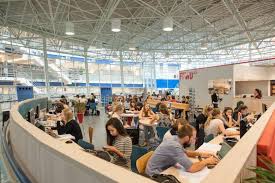
The Faculty of Medicine at Utrecht University (UMC Utrecht) is one of the Netherlands’ leading medical institutions, combining state-of-the-art facilities, advanced technology, and a strong research environment. Students benefit from an integrated academic medical center that brings together education, research, and healthcare under one roof.
Campus & Academic Facilities
UMC Utrecht Medical Campus: The faculty is located within the University Medical Center Utrecht, a modern academic hospital that serves as both a teaching and research hub.
Lecture Halls & Seminar Rooms: Equipped with the latest audio-visual and interactive technologies to enhance learning.
Skills Labs & Simulation Centers: Students practice clinical skills, patient communication, and emergency procedures in realistic medical environments using mannequins, digital simulations, and role-play scenarios.
Anatomy & Dissection Labs: Advanced laboratories where students study human anatomy using cadavers, 3D models, and virtual imaging systems.
Libraries & E-Resources: The UMC Utrecht Library offers extensive medical literature, research databases, e-journals, and quiet study areas, ensuring students have access to the latest scientific knowledge.
Research & Innovation Facilities
Biomedical Research Centers: UMC Utrecht is home to globally recognized research institutes in fields such as oncology, neuroscience, regenerative medicine, infectious diseases, and cardiovascular health.
State-of-the-Art Laboratories: Equipped with cutting-edge instruments for molecular biology, genetics, imaging, and translational medicine.
Interdisciplinary Collaboration: Facilities encourage cooperation between medicine, veterinary sciences, life sciences, and social sciences.
Clinical Training & Hospitals
University Medical Center Utrecht (UMC Utrecht): The main teaching hospital where students gain hands-on training under the supervision of experienced doctors.
Wilhelmina Children’s Hospital: A specialized hospital within UMC Utrecht dedicated to pediatrics, offering students exposure to child and adolescent healthcare.
Partner Hospitals & Clinics: Collaborations with other healthcare institutions provide a wide variety of clinical training environments.
Student Support & Campus Life
Modern Study Spaces & Lounges: Designed to encourage collaboration, group work, and self-study.
Student Associations: Medical student organizations arrange academic events, social gatherings, and career workshops.
Sports & Recreation: Students have access to Utrecht University’s extensive sports facilities, gyms, and cultural activities.
Accommodation: The university provides support in finding student housing in Utrecht, with well-connected hostels, shared flats, and independent living options.
Technology & Digital Infrastructure
E-Learning Platforms: Interactive online modules and virtual classrooms complement traditional teaching.
Electronic Health Records (EHR) Training: Students learn with digital patient records systems used in modern healthcare.
Innovation Hubs: Spaces dedicated to digital health, AI in medicine, and medical technology development.
Official site For Universiteit Utrecht Faculteit Geneeskunde Utrecht: Click Here
Universiteit Utrecht Faculteit Geneeskunde Utrecht Fee Structure
Approximately Estimated fee will 1 Cr to 1.5 CR
Required Documents For Admission in Universiteit Utrecht Faculteit Geneeskunde Utrecht
- Academic Transcripts: Official high school transcripts showing completion of required science subjects (Biology, Chemistry, and Physics).
- Language Proficiency Proof: English language proficiency test results (IELTS/TOEFL).
- Passport: Valid passport with at least six months of validity.
- Recommendation Letters: At least two academic or professional references.
- Statement of Purpose (SOP): A personal statement outlining towards motivation to study MBBS in the Netherlands.
- Application Form: Completed application form for the university.
- Entrance Exam Scores (if applicable): Some universities may require an entrance exam.
- Proof of Financial Support: Evidence of sufficient funds to cover tuition fees and living expenses in the Netherlands.
- Health Insurance: Proof of valid health insurance for the duration of student stay.
Eligibility Criteria For Admission in Universiteit Utrecht Faculteit Geneeskunde Utrecht
- The students should have science in their 12th standard and should have an aggregate of 50% marks in physics, chemistry, and Biology.
- The students should be at least 17 years of age to take admission to Netherlands Medical College/ Universities.
- The students should also qualify for the NEET exam with passing marks to apply for MBBS in Netherlands.
- The students should have English subject in their higher secondary.
Admission Process For Universiteit Utrecht Faculteit Geneeskunde Utrecht
The necessary documents for taking MBBS Admission in Faculteit der Geneeskunde, UvA, Amsterdam UMC
- Original Passport and its photocopies.
- Original and one photocopy of mark sheets of both 10th & 12th standard
- Migration Certificate from the previous studying college.
- Eligibility Certificate issued by Medical must be submitted
- Birth certificate must be submitted to the concerned authority.
- NEET scorecard of the student.
- Evidence of enrollment in Netherlands medical university.
- Copy of financials that shows sufficient funds to pay the Netherlands MBBS College fees
Get more details about the colleges in Netherland: Click Here
Benefits of Studying in Universiteit Utrecht Faculteit Geneeskunde Utrecht
Universiteit Utrecht – Faculteit Geneeskunde (UMC Utrecht)
The study of medicine at the Faculty of Medicine, Utrecht University (UMC Utrecht) presents students with a rare blend of academic distinction, innovative education, and hands-on clinical training. The faculty is renowned worldwide for its excellence and interfaculty approach, offering students room to develop as doctors and researchers.
Major Advantages
World-Class Reputation
Utrecht University is always among the world’s top universities and holds a very high reputation for medical and life sciences.
Graduates receive internationally recognized medical degrees, providing for global career prospects.
Integrated Academic Medical Center
Education, research, and healthcare are integrated at UMC Utrecht, allowing students to have instant access to a live hospital environment.
Students can learn alongside practicing physicians and researchers, benefiting from firsthand experience in patient care and clinical decision-making.
Innovative & Research-Focused Curriculum
The course has a problem-based learning (PBL) strategy, promoting critical thinking and active involvement.
Students are involved in state-of-the-art research in fields like oncology, neuroscience, regenerative medicine, and infectious diseases.
Early Clinical Exposure
Unlike most medical courses, Utrecht provides early patient contact and clinical practice from the start of the course.
Practical training is embedded throughout the course, so students become highly skilled in the clinical setting.
International Opportunities
Through strong international partnerships, students may get involved in exchange programmes, research collaborations, and international internships.
The faculty has a diverse student population that forms a multicultural environment for learning.
Personal and Professional Development
Students get mentored, career-advised, and equipped in communication, teamwork, and leadership.
Highly motivated students can have honours programmes that include further academic challenges and research exposure.
Strong Community & Student Life
Student organizations, such as medical societies, host academic workshops, cultural events, and networking sessions.
Utrecht itself is a cosmopolitan student town with rich cultural life, secure living conditions, and good public transport.
Emphasis on Open Science & Societal Impact
Students are motivated to link medical education with humanistic principles, public outreach, and social responsibility through programs like The New Utrecht School.
Graduates are educated not just as healthcare professionals but as societal well-being contributors and innovation agents in the health sector.
Privileges And Benefits for Indian Students at Universiteit Utrecht Faculteit Geneeskunde Utrecht
Global Recognition of Degree
The medical degree is internationally recognized, opening opportunities for higher studies, research, and medical practice in multiple countries, including India (after clearing licensing exams).
High-Quality Education
The faculty is part of one of Europe’s top research universities, ensuring evidence-based medical training, access to modern technologies, and exposure to advanced clinical practices.
Multicultural Environment
Utrecht is highly international, offering Indian students the chance to study alongside peers from across the world, encouraging cultural exchange and collaboration.
Research Opportunities
The faculty is closely tied to University Medical Center Utrecht (UMC Utrecht), providing Indian students with access to cutting-edge research in areas like oncology, neuroscience, immunology, and cardiovascular medicine.
Student Support Services
Dedicated international student support offices assist with visa processes, accommodation, academic guidance, and cultural integration.
Career Prospects
Graduates have strong placement prospects within Europe and globally. Many Indian students use this platform as a pathway to international medical careers.
Safe and Student-Friendly Environment
Utrecht is ranked among the safest student cities, with excellent public transport, housing facilities, and cultural communities, including an active Indian student network.
FAQ’s
Does Utrecht University provide clinical training?
Yes, From the early stages of the programme, students are introduced to clinical practice at UMC Utrecht, one of the largest academic hospitals in the Netherlands. Clinical rotations intensify during the master’s phase.
Can international students apply to the Medicine programme?
Yes, international students can apply, but they must demonstrate proficiency in Dutch since the main medical curriculum is taught in Dutch. English-speaking students often choose Utrecht for Biomedical Sciences or Global Health programmes if they do not meet Dutch language requirements.
Does Utrecht University provide clinical training?
Yes. From the early stages of the programme, students are introduced to clinical practice at UMC Utrecht, one of the largest academic hospitals in the Netherlands. Clinical rotations intensify during the master’s phase.
Is accommodation available for international students?
Yes, Utrecht University helps students find housing through SSH Student Housing and other partnerships, though availability is limited. It is recommended to apply for housing as early as possible.
Why choose Utrecht University for medicine?
- One of the top-ranked universities in Europe.
- Integrated academic hospital (UMC Utrecht) offering both education and healthcare.
- Strong emphasis on research, innovation, and Open Science.
- Located in Utrecht, a safe, vibrant, and student-friendly city with excellent connectivity.
Also Check:
Gallery


Map View
International University School of Medicine Kralendijk
International University School of Medicine Kralendijk The International University School of
Faculty of Medicine VU Amsterdam, Amsterdam UMC Amsterdam
Faculty of Medicine VU Amsterdam, Amsterdam UMC Amsterdam VU Amsterdam was
Erasmus Universiteit Faculteit der Geneeskunde Rotterdam
Erasmus Universiteit Faculteit der Geneeskunde Rotterdam Erasmus University Rotterdam, in its
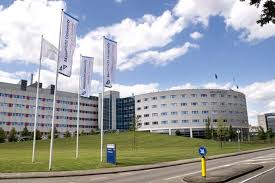
Maastricht University Faculty of Health, Medicine and Life Sciences Maastricht
Maastricht University Faculty of Health, Medicine and Life Sciences Maastricht In