
Nippon Medical School, Tokyo
Nippon Medical School, originally established as Saisei-Gakusha in 1876, is Japan’s oldest private medical school.
About Nippon Medical School Tokyo
The school has committed more than 140 years to grooming medical professionals imbued with compassion, human sympathy, and intellectual excellence, all based on the original founding principles—Saisei-Kyumin (“to save people everywhere”) and Kokki-Junko (“to dedicate oneself to public service”).
Nippon Medical School Tokyo – Table of Contents
- About
- Advantages
- Ranking
- Departments And Course Duration
- Facilities And Infrastructure
- Fee Structure
- Required Documents
- Eligibility Criteria
- Admission Process
- Benefits
- Privileges And Benefits for Indian Students
- FAQ’s
Driven by an intellectual rigor that is balanced by a commitment to serving society, Nippon Medical School has cultivated an ethos of unfettered academic inquiry, graduating students who are not merely excellent clinicians but also superb researchers and policy entrepreneurs. Through its success, the institution has trained over 10,000 professionals who have made their marks in the various areas of clinical practice, medical research, and healthcare policy.
Drawing on this rich tradition, the school continues to nurture physicians and healthcare professionals who integrate specialized medical science, sophisticated techniques, and research competence with a sincere sense of commitment to the public good.
Stressing the value of continuous education, Nippon Medical School prepares its students with the abilities to cope with evolving changes in medical science while cultivating creativity, critical ability, and ethical judgment.
To address the growing speed of technological development, including in the fields of gene editing, AI, and robotics, Nippon Medical School places emphasis on introducing students to cutting-edge technology and cross-disciplinary research settings.
Nippon Medical School Tokyo Accreditations, Affiliations, Recognitions
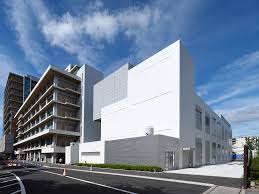
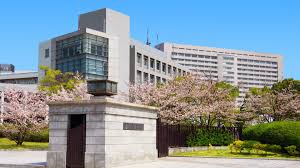
The faculty comprises renowned experts with active participation in leading-edge medical practice and cutting-edge research to provide students with practical knowledge based on actual medical problems. Training is also upgraded through state-of-the-art facilities, such as the recently refurbished graduate school building and the soon-to-reopen Musashi Kosugi Hospital, which are supplemented by the planned Nippon Medical School Hospital.
These facilities allow students to provide actual hands-on experience in state-of-the-art areas, from emergency and critical care to oncology and innovative surgical procedures.
Having acknowledged the significance of international standards in medical education, Nippon Medical School has had intensive third-party assessments according to the World Federation for Medical Education’s Global Standards for Quality Improvement, placing it at the forefront of numerous local institutions. The institution has also incorporated cutting-edge IT-facilitated active learning pedagogies to develop an interactive learning environment, enhancing critical thinking skills, teamwork, and problem-solving abilities.
In addition, Nippon Medical School actively cooperates with top-class institutions like Tokyo University of Science and Waseda University to incorporate advances in fields of engineering, virtual reality, augmented reality, AI, and robots into medical research and education.
By filling the gap between technology and medicine, the school not only prepares its graduates with the competencies required to address challenges in the future healthcare arena but also becomes a pioneer in spearheading disruptive innovations in both the practice and study of medicine.
Essentially, Nippon Medical School is a balanced mix of tradition and innovation, cultivating medical practitioners who are as skilled as they are humane, and who can contribute positively to society at national and international levels.
Advantages of Studying in Nippon Medical School Tokyo
Strong Reputation and Legacy:
Nippon Medical School is one of the top-rated medical schools in Japan, with a rich history of more than 100 years and an extensive list of renowned medical doctors among its alumni.
Expert Faculty:
The faculty is diverse and highly experienced in medical treatment, clinical research, and education, offering hands-on training and real-world experience.
emphasis on Clinical Practice and Research:
NMS puts strong emphasis on incorporating research and clinical practice, ensuring that students acquire the skills and knowledge for contemporary medicine with its competitive curriculum.
Clinical Experience:
Students get the advantages of the three hospitals affiliated with the school, providing hands-on training in different medical environments.
Diverse Campus Life:
With its status as a place in Tokyo, NMS provides exposure to diverse campus life, creating a dynamic and interactive setting that is conducive to cooperation and creativity for future medical practitioners.
Global Exposure:
Having students from different countries presents a special chance for cross-cultural exchange, enabling students to form international friendships and embrace different cultures.
Situated in Tokyo:
Being situated in Tokyo, the location of the university offers learners an environment rich in culture and sports for learning and life.
Latest Notifications:
Nippon Medical School Tokyo – Ranking
Nippon Medical School has cultivated a morality of unfettered academic inquiry, graduating scholars who are n’t simply excellent clinicians but also superb experimenters and policy entrepreneurs.
Through its success, the institution has trained over 10,000 professionals who have made their marks in the colorful areas of clinical practice, medical exploration, and healthcare policy.
Drawing on this rich tradition, the academy continues to nurture croakers and healthcare professionals who integrate technical medical wisdom, sophisticated ways, and exploration capability with a sincere sense of commitment to the public good.
Stressing the value of nonstop education, Nippon Medical School prepares its scholars with the capacities to manage with evolving changes in medical wisdom while cultivating creativity, critical capability, and ethical judgment.
To address the growing speed of technological development, including in the fields of gene editing, AI, and robotics, Nippon Medical School places emphasis on introducing scholars to slice- edge technology and cross-disciplinary exploration settings. Faculty comprises famed experts with active participation in leading- edge medical practice and slice- edge exploration to give scholars with practical knowledge grounded on factual medical problems.
Training is also upgraded through state- of- the- art installations, similar as the lately refurbished graduate academy structure and the soon- to- renew Musashi Kosugi Hospital, which are supplemented by the planned Nippon Medical School Hospital.
These installations allow scholars to give factual hands- on experience in state- of- the- art areas, from exigency and critical care to oncology and innovative surgical procedures. Having conceded the significance of transnational norms in medical education, Nippon Medical School has had ferocious third- party assessments according to the World Federation for Medical Education’s Global norms for Quality Improvement, placing it at the van of multitudinous original institutions.
The institution has also incorporated slice- edge IT- eased active literacy pedagogies to develop an interactive literacy terrain, enhancing critical thinking chops, cooperation, and problem- working capacities. In addition, Nippon Medical School laboriously cooperates with top- class institutions like Tokyo University of Science and Waseda University to incorporate advances in fields of engineering, virtual reality, stoked reality, AI, and robots into medical exploration and education.
By filling the gap between technology and drugs, the academy not only prepares its graduates with the capabilities needed to address challenges in the unborn healthcare arena but also becomes a colonist in leading disruptive inventions in both the practice and study of drug.
Basically, Nippon Medical School is a balanced blend of tradition and invention, cultivating medical interpreters who are as professed as they’re humane, and who can contribute appreciatively to society at public and transnational situations.
Latest Updates:
Departments And Course Duration in Nippon Medical School Tokyo
MBBS Departments & Course Duration – Nippon Medical School, Tokyo
Departments:
- Department of Anatomy
- Department of Physiology
- Department of Biochemistry
- Department of Pathology
- Department of Microbiology and Immunology
- Department of Pharmacology
- Department of Forensic Medicine
- Department of Public Health and Social Medicine
- Department of Internal Medicine
- Department of Surgery
- Department of Pediatrics
- Department of Obstetrics and Gynecology
- Department of Psychiatry
- Department of Ophthalmology
- Department of Otorhinolaryngology (ENT)
- Department of Dermatology
- Department of Anesthesiology
- Department of Radiology
- Department of Rehabilitation Medicine
Course Duration:
- Total Duration: 6 years
- Pre-clinical Phase: 2 years (basic medical sciences)
- Clinical Phase: 3 years (hospital and clinical rotations)
- Internship/Practical Training: 1 year
Facilities And Infrastructure in Nippon Medical School Tokyo
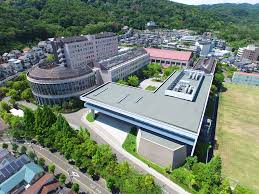
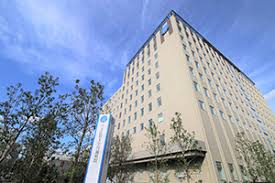
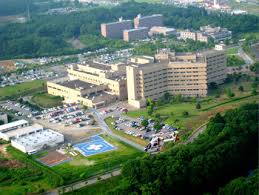
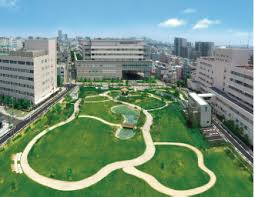
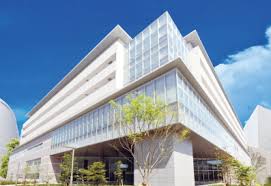
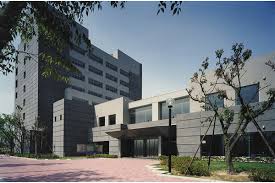
- Campus & Buildings: Modern classrooms, lecture halls, and well-equipped laboratories.
- Laboratories: Advanced labs for Anatomy, Physiology, Biochemistry, Microbiology, Pathology, Pharmacology, and Clinical Skills.
- Library: Comprehensive medical library with textbooks, journals, digital resources, and study spaces.
- Research Centers: Specialized research facilities supporting clinical and experimental research.
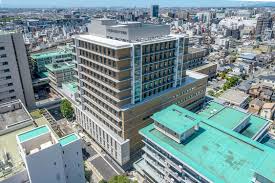
- Hospitals & Clinical Training: Affiliated hospitals for hands-on clinical training, internships, and patient care experience.
- Auditoriums & Seminar Rooms: Facilities for conferences, workshops, and student presentations.
- Hostels/Accommodations: On-campus or nearby housing options for students.
- Sports & Recreation: Gymnasium, sports fields, and clubs for extracurricular activities.
- Cafeteria & Dining: Student-friendly cafeterias offering diverse meals.
- IT & Digital Facilities: Computer labs, Wi-Fi access, and online learning platforms.
- Student Support Services: Counseling, medical care, and career guidance facilities.
Official site For Nippon Medical School Tokyo: Click Here
Nippon Medical School Tokyo Fee Structure
Approximately fee structure will be 60 lakhs to 70 lakhs.
Required Documents For Admission in Nippon Medical School Tokyo
Academic transcripts from higher secondary school
Passport-sized photos and a valid passport
Language proficiency proof (JLPT / TOEFL / IELTS)
Letters of recommendation (If required).
Statement of Purpose (SOP)
Financial proof of ability to pay tuition and living expenses
Health check-up and vaccination records
Eligibility Criteria For Admission in Nippon Medical School Tokyo
- Academic Qualification – Class 12 with Physics, Chemistry, Biology
- Minimum Marks – At least 70% in PCB subjects
- Entrance Exam – NEET (for Indian students)
- Language Requirement – JLPT (Japanese Language Proficiency Test) N2/N1 or TOEFL/IELTS if applying for English-medium programs
- Age Limit – Should cross 17+
- Valid Passport
Admission Process For Nippon Medical School Tokyo
- Research Universities: Find the top medical colleges in Japan and check if they offer MBBS in English or Japanese.
- Prepare Documents: Collect all required academic and personal documents.
- Submit Application: Apply online through the university portal or via Japanese embassies.
- Entrance Exams: universities may require a written test or interview (if Necessary)
- Application Fee: Complete payment as part of the process.
- Get Acceptance Letter: If selected, you’ll receive an admission letter needed for the student visa.
Get more details about the colleges in Kyrgyzstan: Click Here
Benefits of Studying at Nippon Medical School, Tokyo
Excellent Quality Medical Education: Sound emphasis on theoretical knowledge and clinical practice skills.
Skilled Teachers: Guided by top doctors and researchers in medicine.
State-of-the-Art Research Facilities: State-of-the-art labs and research courses.
Clinical Exposure: Practical training in affiliated hospitals with varied patient cases.
Global Acceptance: Degree accepted in Japan and most countries around the world, opening career doors globally.
Modern Infrastructure: Fully equipped classrooms, laboratories, libraries, and online resources.
Extracurricular Activities: Sports, cultural, and student bodies for well-rounded development.
Networking & Collaborations: Meetings with professionals, conferences, and workshops for networking.
Career Guidance: Counseling for postgraduate education, specialization, and medical licensing board exams.
Safe & Supportive Environment: Student-centered campus with counseling services, housing, and medical facilities.
Privileges And Benefits for Indian Students in Nippon Medical School Tokyo
International Student Guidance: Special support for admission, visa, and orientation procedures.
Global Recognition of Degree: MBBS/MD degree globally accepted, with eligibility for screening tests such as FMGE/NExT in India.
Clinical Training Opportunities: Exposure to practical training in affiliated hospitals, gaining exposure to varied medical cases.
Cultural Integration Programs: Support for Japanese culture, lifestyle, and academic adjustment.
Networking Opportunities: Indian and international student communities to interact, share, and learn.
Career Support: Counseling for postgraduate study, research prospects, or back to India practice.
Safe Campus Environment: Infrastructure and campus security catering to international students.
Scholarships & Financial Guidance: Details of existing scholarships or financial aid available for international students.
FAQ’s
Are there hostel facilities for international students?
Yes, on-campus and nearby accommodation options are available.
Is there clinical exposure during the course?
Yes, students gain hands-on clinical training in affiliated hospitals.
Are scholarships available for Indian or international students?
Yes, the university provides information on available scholarships and financial guidance.
What support is available for adapting to life in Japan?
Orientation programs, cultural integration support, and guidance for international students.
What are the career opportunities after graduation?
Postgraduate studies in Japan or abroad, clinical practice in hospitals, research, or returning to India for practice.
Can Indian students practice in India after graduation?
Yes, after passing the FMGE/NExT screening test conducted by the National Medical Commission (NMC).
Also Check:
Gallery





Map View
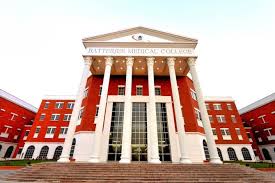
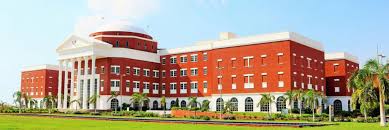
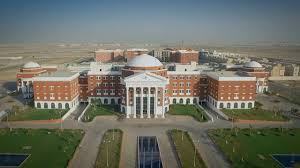
Batterjee Medical College for Sciences and Technology
Batterjee Medical College for Sciences and Technology Jeddah Batterjee Medical College

Kansai Medical University School of Medicine
Kansai Medical University School of Medicine, Moriguchi Kansai Medical University was
Kurume University School of Medicine
Kurume University School of Medicine – Kurume The Kurume University is



Osaka Medical and Pharmaceutical University Faculty of Medicine Takatsuki
Osaka Medical and Pharmaceutical University Faculty of Medicine Takatsuki Osaka Medical