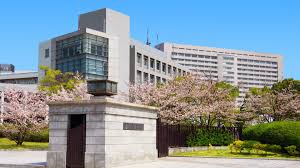
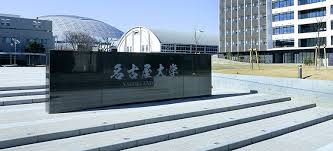
Nagoya University School of Medicine “Nagoya University”, founded in 1939 as Japan’s final imperial university, was initially composed of the School of Medicine and the School of Science and Engineering. In 1949, after extensive educational reforms, a number of schools—among them the Eighth Higher School and Nagoya Commercial College—were merged to create the contemporary Nagoya University, which has six undergraduate schools today.
About Nagoya University School of Medicine
Through the decades, the university has consistently developed, having undergone many reorganizations and reforms aimed at sharpening both its research and educational functions. Since 2004, it has been a National University Corporation, which positioned it as an international hub for higher education and research, boasting nine undergraduate schools and thirteen graduate schools.
Nagoya University School of Medicine – Table of Contents
- About
- Advantages
- Ranking
- Departments And Course Duration
- Facilities And Infrastructure
- Fee Structure
- Required Documents
- Eligibility Criteria
- Admission Process
- Benefits
- Privileges And Benefits for Indian Students
- FAQ’s
A particularly noteworthy point is that the year 2009 was a twofold milestone: the 138th anniversary of its precursor—the temporary hospital and medical school of the then-Nagoya clan established in 1871—and the 70th anniversary since its transformation into an Imperial University.
Nagoya University Graduate School of Medicine and School of Medicine has an illustrious history of more than 150 years, dating back to the transient medical school and hospital set up specifically for the Nagoya domain in 1871.

Nagoya University School of Medicine Accreditations, Affiliations, Recognitions
From this starting point, the school has grown to be a world-renowned institution known for its emphasis on frontier research, sophisticated medical education, and innovative healthcare advancements. Its educational philosophy is focused on developing intellectual courage, critical intellect, and creative wisdom, so that graduates are not only skillful doctors but also visionaries who contribute to world medicine.
In order to achieve excellence in research, the school has introduced several advanced education programs under the auspices of the Ministry of Education, Culture, Sports, Science and Technology (MEXT).
These are NOVI+A, a community-focused medical education program combining near-peer teaching with onsite and virtual learning rooted in anthropology; the Sustainable Clinical Education and Research Training Program to continually shape medical specialists; CIBoG (Convolution of Informatics and Biomedical Sciences on Glocal Alliances); the AI-MAILs platform to enhance collaboration between academia and industry to train future Medical AI leaders; and the Tokai Cancer Specialist Training Program, dedicated to building specialist expertise in oncology. Few Japanese medical schools have such a wide and in-depth range of MEXT-funded programs, making Nagoya University stand out in medical education.
International collaboration is also one of the greatest strengths of Nagoya University. Global exchanges were suspended temporarily during the COVID-19 pandemic but have since picked up in full force. In 2022, the university welcomed the sixth annual conference of the Global Alliance of Medical Excellence (GAME)—a strategic international alliance of eight top medical schools committed to promoting medical education and collaborative research globally.
As one of its founding core members, Nagoya University has continued to foster international cooperation through programs such as GAME, CIBoG, AI-MAILs, and joint degrees with world-renowned universities like the University of Adelaide, Lund University, and University of Freiburg.
In addition, administrative effectiveness and systematization under the Tokai National Higher Education and Research System (THERS), founded in 2020 in association with Gifu University, have moved steadily onward. In 2023, the Human Glycome Atlas Project (HGA) was officially designated as a Large-Scale Academic Frontier Promotion Project at Institute for Glyco-core Research (iGCORE), a world-leading research center for glycan research jointly promoted by both universities.
Furthermore, the Center for Research, Education, and Development for Healthcare Life Design (C-REX) has been established as an interdisciplinary platform for data-driven healthcare research and for the development of a healthier society. Collectively, these efforts express Nagoya University School of Medicine’s dedication to academic excellence in research, education, and international medical innovation.
Advantages of Studying in Nagoya University School of Medicine
Scholarship and cultural advantages
Abundant and rich heritage: The university has a 144-year history, the earliest roots dating back to the Temporary Hospital and School established in 1871.
Culture of innovation: The educational setting promotes developing new technologies and designing beneficial systems, which is beneficial to potential medical professionals.
Leadership development: The university seeks to cultivate leaders of the future who are not only smart and courageous but also an asset for any medical practice.
Ranking and reputation: Nagoya University is among the world’s best 123 universities (top 0.6%) and regionally recognized in Asia.
Program-specific benefits
International student programs: There are specific programs available to international students, such as the G30, Forefront, and NUGELP programs, which enable studying in Englweish at the postgraduate level.
Extracurricular opportunities: The students receive exposure to various extracurricular activities to maximize their knowledge and skills beyond the core curriculum.
Practical and hands-on education: As a medical school with roots in the past within the setting of a hospital, the course of study would likely emphasize practical, hands-on education in patient management and medical technology.
Latest Notifications:
Nagoya University School of Medicine – Ranking
Nagoya University School of Medicine – Ranking and Excellence in Academics
Nagoya University School of Medicine is one of the most prestigious and oldest medical schools in Japan, but it always maintains a touch of innovation and modernization of medical education. It is traced back to over 130 years ago when it was a private medical school established under the Owari feudal lord, symbolizing a rich tradition of academic excellence and distinction.
The college offers a range of creative and forward-looking study programs in order to create well-balanced, competent physicians. For instance, the Basic Science Seminar allows students to engage in current basic medical research for a period of half a year, in order to have practical experience with the latest scientific advances. The Polyclinic II curriculum, and part of the seminars and Problem-Based Learning (PBL) tutorials, also prepares the students for practical clinical proficiency, critical thinking, and problem-solving skills in teamwork.
Nagoya University also emphasizes international exposure. In its exchange programs with 11 leading universities in the United States and Europe, bright students—after overcoming a competitive selection process—are able to do three-month bedside training programs abroad, gaining valuable global clinical experience. International exposure improves medical expertise as well as cultural understanding and skills, enabling graduates to excel in diverse healthcare environments.
Student involvement is another hallmark of the institution. Through active involvement in educational committee meetings, the students contribute to ongoing curriculum development so that the programs are innovative, relevant, and challenging.
Nagoya University School of Medicine is to equip medical students with the knowledge, skill, and ethical foundation to provide safe, high-quality, and patient-centered healthcare at the professional standards of their best practices. Second, the Young Leaders’ Program (YLP) in Medical Administration, a government-sponsored program in Japan, is designed to cultivate leaders in national and international health administration, particularly in the Asian region, in line with the school’s mission to create visionary leaders who will influence medical policy and practice internationally.
Departments And Course Duration in Nagoya University School of Medicine
Nagoya University School of Medicine – MBBS Departments & Course Duration
Course Duration:
The MBBS course at Nagoya University is based on a 6-year course, which is typical for Japanese medical schools.
The curriculum is split into pre-clinical (first 2 years), clinical (years 3–6), and practical training phases, which include hospital rotations and research projects.
Departments & Specializations:
Nagoya University School of Medicine provides extensive training over numerous departments, providing exposure to wide-ranging medical sciences and clinical practice.
Main departments are:
Basic Medical Sciences
- Anatomy
- Physiology
- Biochemistry
- Molecular Medicine
- Pharmacology
- Clinical Medicine Departments
- Internal Medicine
- Surgery
- Pediatrics
- Obstetrics & Gynecology
- Psychiatry
- Dermatology
- Ophthalmology
- Otolaryngology (ENT)
- Radiology
- Anesthesiology
- Emergency Medicine
- Pathology
- Advanced & Specialized Departments
- Cardiology
- Neurology & Neurosurgery
- Oncology (Cancer Research & Treatment)
- Gastroenterology
- Endocrinology & Metabolism
- Respiratory Medicine
- Nephrology
- Infectious Diseases
- Rehabilitation Medicine
Community & Preventive Medicine
Practical Training & Research Exposure:
Students participate in clinical rotations, bedside training, and lab research, such as involvement in state-of-the-art projects like AI in Medicine, Cancer Research, and Glycomics.
International clinical exposure opportunities exist through exchange programs with leading universities in the USA and Europe.
Research experience is fostered early through initiatives like the Basic Science Seminar and Problem-Based Learning (PBL) tutorials.
Program Highlights
Comprehensive pre-clinical and clinical training guarantees a solid grounding in both the medical theory and practice.
Focus on innovative research, clinical judgment, and leadership competencies.
Students are exposed to state-of-the-art hospital facilities, laboratories, and international training opportunities.
Latest Updates:
Facilities And Infrastructure in Nagoya University School of Medicine
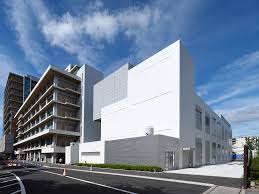
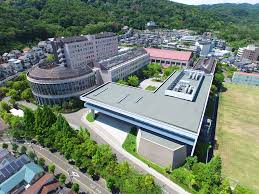
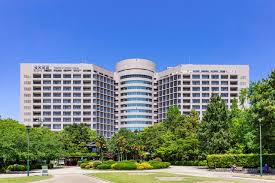
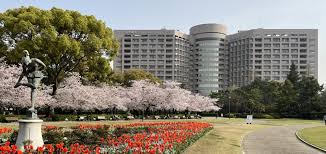
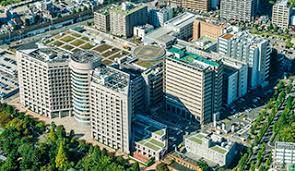
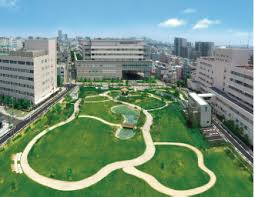
Nagoya University School of Medicine provides world-class facilities and infrastructure to support academic education and clinical training. The campus is designed to promote research, innovation, and practice-oriented medical education.
Academic and Research Facilities
Fully equipped state-of-the-art lecture theatres and classrooms with latest teaching technologies.
Strongly equipped laboratories for Anatomy, Physiology, Biochemistry, Molecular Biology, and other basic sciences.
Special research centers for cancer studies, regenerative medicine, artificial intelligence in healthcare, and glycomics.
Library and computing facilities with extensive medical literature, journals, and access to international databases.
Clinical Training and Hospital Facilities
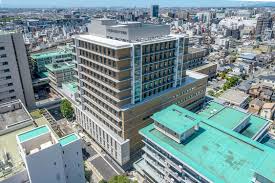
University Hospital with multiple specialty wards to provide practical clinical training.
Smart simulation labs for simulation-based practical skills training before patient interaction.
Access to bedside training and rotations across multiple departments, exposing students to a large variety of medical cases.
Student Support and Learning Facilities
Study rooms, seminar halls, and discussion halls for group learning and PBL sessions.
Computer labs and IT centers for research, simulation, and e-learning.
Student clubs, societies, and extracurricular activity facilities.
Residential and Recreational Facilities
Hostels and dormitories on campus for domestic and international students.
Canteens, cafes, and dining halls with diverse food options.
Sports complexes and recreational facilities for fitness, athletics, and recreation.
International Collaboration Hubs
Infrastructure for international exchange programs, cooperative research activities, and overseas conferences.
Facilities for specialized functions such as C-REX for health care life design and iGCORE for state-of-the-art glycan research.
The Nagoya University School of Medicine infrastructure gives a synergy of the latest technology, full clinical facilities, and student-oriented facilities to provide a highly supportive environment for medical education, research, and career development of high quality.
Official site For Nagoya University School of Medicine: Click Here
Nagoya University School of Medicine Fee Structure
Approximately fee structure will be 60 lakhs to 70 lakhs.
Required Documents For Admission in Nagoya University School of Medicine
Academic transcripts from higher secondary school
Passport-sized photos and a valid passport
Language proficiency proof (JLPT / TOEFL / IELTS)
Letters of recommendation (If required).
Statement of Purpose (SOP)
Financial proof of ability to pay tuition and living expenses
Health check-up and vaccination records
Eligibility Criteria For Admission in Nagoya University School of Medicine
- Academic Qualification – Class 12 with Physics, Chemistry, Biology
- Minimum Marks – At least 70% in PCB subjects
- Entrance Exam – NEET (for Indian students)
- Language Requirement – JLPT (Japanese Language Proficiency Test) N2/N1 or TOEFL/IELTS if applying for English-medium programs
- Age Limit – Should cross 17+
- Valid Passport
Admission Process For Nagoya University School of Medicine
- Research Universities: Find the top medical colleges in Japan and check if they offer MBBS in English or Japanese.
- Prepare Documents: Collect all required academic and personal documents.
- Submit Application: Apply online through the university portal or via Japanese embassies.
- Entrance Exams: universities may require a written test or interview (if Necessary)
- Application Fee: Complete payment as part of the process.
- Get Acceptance Letter: If selected, you’ll receive an admission letter needed for the student visa.
Get more details about the colleges in Kyrgyzstan: Click Here
Benefits of Studying in Nagoya University School of Medicine
Studying at Nagoya University School of Medicine has several academic, professional, and personal benefits, which make it one of the most desired medical schools in Japan and around the world.
Prestigious and Historic Institution
150 years of excellence in medical education with a renowned history of research and clinical training.
Strong reputation nationally and internationally for its achievements in medical science and healthcare technology.
High-Quality Education
Enhanced curriculum integrating foundation medical sciences, clinical exposure, and advanced research.
Special courses such as the Basic Science Seminar, Polyclinic II, and Problem-Based Learning (PBL) tutorials offer practical training and critical thinking.
Preparation for early participation in research projects and acquaintance with state-of-the-art medical technologies.
Global Exposure and Exchange Opportunities
Partnership with leading US and European universities to enable students to receive bedside training overseas for three months.
Attendance at international conferences, collaborative research projects, and exchange programs increases cross-cultural knowledge and worldwide medical outlook.
Advanced Research Opportunities
Facilities for state-of-the-art research such as institutes for cancer studies, regenerative medicine, biomedical AI, and glycomics.
Opportunities in programs such as CIBoG, AI-MAILs, and the Tokai Cancer Specialist Training Program to be involved in widely acclaimed research projects.
Student-Centered Learning Environment
Active involvement in curriculum planning and education committees to ensure the programs are regularly refined and in accordance with the needs of the students.
Promotion to enhance leadership, teamwork, and problem-solving skills through seminars, workshops, and research work.
Career and Leadership Development
The graduates are greatly regarded in Japan and globally with good career opportunities for clinical practice, research, academia, and healthcare administration.
The Young Leaders’ Program (YLP) on Medical Administration, sponsored by the Japanese government, equips potential leaders in healthcare policy and management in Asia and worldwide.
Thorough Support and Infrastructure
Contemporary classrooms, laboratories, hospital units, and libraries facilitate learning and research.
On-campus residence, sports facilities, and recreational space provide balanced student life.
Attending Nagoya University School of Medicine provides students with a good ground in medicine, access to innovative research, international visions, and leadership abilities to become a good physician and medical innovator.
Privileges And Benefits for Indian Students in Nagoya University School of Medicine
Indian students who dream to pursue medicine at Nagoya University have a number of academic, cultural, and professional benefits that make their learning experience smooth and rewarding in Japan:
Globally Recognized Degree
Nagoya University’s MBBS degree is internationally accepted and qualifies for licensure in most countries, including appearing for the Foreign Medical Graduate Examination (FMGE) in India.
The graduates earn a highly valued credential that is recognized by employers, hospitals, and research organizations around the globe.
World-Class Medical Education
Indian students gain from the institution’s high-quality 6-year MBBS course that consolidates pre-clinical learning, clinical experience, research exposure, and problem-based learning.
Exposure to the latest medical technologies, up-to-date research programs, and internationally comparable curricula provides a robust academic foundation.
Research and Innovation Opportunities
Indian students have access to state-of-the-art research facilities in fields like cancer studies, regenerative medicine, AI in healthcare, and glycomics.
Involvement in programs such as CIBoG, AI-MAILs, and Basic Science Seminars provides Indian students with hands-on research training and the ability to contribute to innovative projects.
International Exposure
Student exchange programs with top universities in the USA and Europe provide Indian students with three-month bedside clinical training opportunities abroad, expanding their global medical outlook.
International conference participation, collaborative research, and joint programs improve professional networking and career opportunities.
Cultural Integration and Student Support
The university facilitates language assistance, orientation sessions, and cultural activities to facilitate the adaptation of Indian students to Japanese life.
Campus accommodations, recreational spaces, and student groups create a friendly platform for international students.
Leadership and Career Development
Indian students are exposed to the Young Leaders’ Program (YLP) in Medical Administration to prepare them for leadership positions in healthcare administration in Asia and internationally.
Career advice, mentorship schemes, and participation in education committees enable Indian students to plan their career routes effectively.
Financial and Scholarship Opportunities
Nagoya University provides scholarships and financial aid schemes for international students, including Indian students, to assist with paying tuition fees and living costs.
FAQ’s
Are there any exchange programs for international or Indian students?
Yes. Nagoya University has exchange partnerships with 11 leading universities in the USA and Europe. Selected students can participate in a three-month bedside training program abroad, gaining international exposure and clinical experience.
What facilities are available on campus for medical students?
The university provides modern laboratories, simulation centers, a university hospital for clinical training, extensive library resources, on-campus housing, and recreational facilities to ensure a well-rounded student experience.
What are the research opportunities available for MBBS students?
Students can participate in Basic Science Seminars, PBL tutorials, and research projects in specialized fields such as cancer research, regenerative medicine, biomedical AI, and glycomics. The university strongly promotes student participation in innovative research.
What kind of career opportunities do graduates have?
Graduates can pursue careers as medical practitioners, researchers, educators, or healthcare administrators. Many also continue with postgraduate studies or research fellowships in Japan or abroad.
Why should Indian students choose Nagoya University School of Medicine?
Indian students benefit from the university’s rich academic heritage, globally recognized education, international exchange programs, research excellence, and leadership training, all within a safe, supportive, and culturally enriching environment.
Are there any exchange programs for international or Indian students?
Yes. Nagoya University has exchange partnerships with 11 leading universities in the USA and Europe. Selected students can participate in a three-month bedside training program abroad, gaining international exposure and clinical experience.
Also Check:
Gallery




Map View
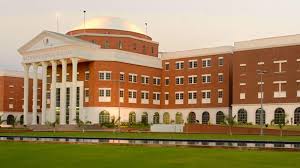
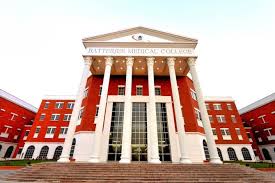
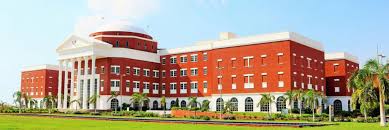
Batterjee Medical College for Sciences and Technology
Batterjee Medical College for Sciences and Technology Jeddah Batterjee Medical College


Kansai Medical University School of Medicine
Kansai Medical University School of Medicine, Moriguchi Kansai Medical University was
Kurume University School of Medicine
Kurume University School of Medicine – Kurume The Kurume University is



Osaka Medical and Pharmaceutical University Faculty of Medicine Takatsuki
Osaka Medical and Pharmaceutical University Faculty of Medicine Takatsuki Osaka Medical