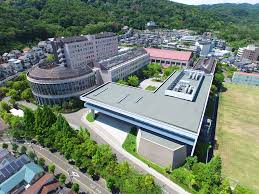
Nagasaki University School of Medicine has a rich history that goes back to 1857 when Dutch military surgeon Pompe van Meedervoort introduced Japan to modern Western-style medical education.
About Nagasaki University School of Medicine
Nagasaki University School of Medicine began with instructing Matsumoto Ryojun and his students at the Medical Training Center of the Nagasaki Magistrate’s Office West Office. This was the beginning of Western-style medical education in Japan. In 1861, the Kojima Yojosho Western-style hospital was established, where bedside clinical education officially began.
Nagasaki University School of Medicine – Table of Contents
- About
- Advantages
- Ranking
- Departments And Course Duration
- Facilities And Infrastructure
- Fee Structure
- Required Documents
- Eligibility Criteria
- Admission Process
- Benefits
- Privileges And Benefits for Indian Students
- FAQ’s
Regrettably, the School of Medicine was consumed by the atomic bombing of Nagasaki in 1945. Nevertheless through the unflinching devotion and determination of its ancestors, the school was restored, symbolizing rebirth as well as the continued value of medical education for the welfare of humanity.
Nagasaki University School of Medicine Accreditations, Affiliations, Recognitions
The founding principle of the university is deeply rooted in Pompe’s words:
“A doctor should be entirely conscious of his vocation. Once he decides to pursue this career, he no longer belongs to himself, but to the patients. He should select another profession if he does not like it.”
This philosophy continues to serve as an inspiration, compelling the school to educate medical men and women with not only profound knowledge and clinical skills, but rich imagination, unwavering ethical standards, and a spirit of selfless service.
There are now two separate departments constituting the School of Medicine: the Department of Medicine and the Department of Health Sciences. The three professional courses—Nursing, Physical Therapy, and Occupational Therapy—are intended to produce highly competent healthcare professionals who can meet shifting needs of society.
Over the decades, Nagasaki University has trained countless physicians, nurses, and therapists who not only aided medical science and medicine to grow in Japan and abroad but also remain playing a crucial role in healthcare.
In 2020, Nagasaki University adopted the vision of being an “Innovative University of a Global Era that Contributes to Planetary Health.” Under this mission, the School of Medicine promotes medical research and clinical practice using the motto:
“People’s health, the health of the planet, your future – RAPID ACTION!”
This shows that the university is committed not only to improving human health but also to addressing global challenges such as sustainability, environmental health, and community resilience.
The School of Medicine is also engaged actively in international academic exchange. Working in collaboration with renowned institutions such as Würzburg University (Germany), Leiden
University (Netherlands), the University of Angers (France), Montana University (USA), Singapore universities, UAE universities, and Busan University (South Korea), it exposes the students to excellent opportunities to participate in foreign training, exchange programs, and study abroad programs.
Exposure through such opportunities assists students in attaining worldwide perspectives and competencies needed to work effectively within international healthcare settings.
Furthermore, as it is a university in Nagasaki Prefecture, where there are many remote islands, the School of Medicine is deeply involved in regional and community-based healthcare assistance. By offering unique courses such as remote island training and community-based comprehensive care education, the university cultivates future physicians and medical practitioners dedicated to working in underserved communities and ensuring equal access to healthcare.
Nagasaki University School of Medicine research is also distinct. The university leverages its distinct historical and geographical position to conduct pioneering research in infectious diseases, radiology, life sciences, dentistry, and pharmacy. The university is renowned internationally for infectious disease research, particularly thanks to research into understanding and controlling epidemics. Through the integration of various disciplines from its faculties, Nagasaki University aims to make a contribution towards the spread of knowledge and innovative solutions that can impact local and global communities.
Nowadays, the School of Medicine continues its tradition of excellence and welcomes the innovation of today. It seeks dedicated students who have the passion for the creation of medical knowledge, service to communities—particularly disadvantaged ones—and improvement of health worldwide from the unique and historical city of Nagasaki.
Advantages of Studying in Nagasaki University School of Medicine
Historic & Unparalleled Research Focus
Being the sole university in the world with first-hand experience of the atomic bomb destruction, Nagasaki University has amassed unmatched capability in the fields of radiation health sciences and atomic bomb disease medicine. Its path-breaking research into these areas continues to contribute substantially to the knowledge of the world about the health impacts of radiation.
Specialized Institutes
The School of Medicine has close relations with two of Japan’s most renowned research institutes: the Atomic Bomb Disease Institute and the Institute of Tropical Medicine. These institutes represent the university’s major research specialties and are worldwide centers of specialized medical research, from radiation action to infectious diseases occurring in tropical areas.
Long-Standing Tradition
One of Japan’s oldest medical schools, the School of Medicine has a noble tradition of academic excellence and research. Its long history is reflective of a strong determination to improve medical knowledge and educate generations of health professionals.
Adaptability
Embodying a prospective outlook, the medical faculty and the university constantly reconfigure their research and teaching infrastructure to respond to new challenges in global health. In doing so, Nagasaki stays ahead of the curve of innovation in medical science and education.
Community-Based Research
The Department of Community Medicine is crucial in the promotion of public health by conducting large-scale epidemiological research. Through the use of long-term health information, the department specializes in determining cause, risk factors, and prevention for diseases related to lifestyle, thus connecting research with real-world healthcare solutions.
Mission and Goals
Disease Prevention: One of the main goals is the prevention of diseases like cardiovascular disease, osteoporosis, and autoimmune conditions by thoroughly examining health information and risk factors.
Global Health Leadership: The university supplements its strength in tropical medicine and radiation medicine by actively participating in global health actions, research partnerships, and capacity development.
Integrated Care: Working in collaboration with community residents, Nagasaki University has created new models of healthcare, including the cloud-based health management database system in Goto City, allowing for an integrated and integral approach to public health and preventive medicine.
Latest Notifications:
Nagasaki University School of Medicine – Ranking
The mission of Nagasaki University is to cultivate talented graduates with not only specialized knowledge in their fields but also comprehensive intellectual perspectives and the ability to contribute to world peace, development, and wellness.
Toward this end, the university highly values providing high-quality education through an intensive program of instruction. Academic staff is continually tested on their teaching competence to ensure that students are provided with the optimum teaching.
Similarly, the quality of research being carried out at the university is tested through internationally applicable norms such as impact factors, citation indexes, and peer-reviewed indicators, thus bringing the institution at par with international scholastic standards.
Promoting research is at the core of the university’s mission, and creative scholarly endeavors are highly encouraged in all faculties. Nagasaki University fosters an active academic community in which faculty members and students are actively involved in the pursuit of knowledge and the solution of key health and social problems.
Globally, the university has international exchange partnerships with 41 universities and institutions across the globe. These arrangements promote dynamic academic and cultural interaction, where both research staff and students are involved in cross-border discussions, collaborative projects, and interdisciplinary activities in various scientific areas of common interests.
One of the unique aspects of Nagasaki University is the activity of the Institute of Tropical Medicine, which is a leader in training programs focused on tropical medicine. The institute provides technical education and capacity development for researchers, doctors, and administrative staff, especially those from developing areas in Southeast Asia, Africa, and South America. In this way, the university helps enhance healthcare systems, fight infectious diseases, and drive sustainable development globally.
Nagasaki, once a gateway long understood as where East meets West, represents cultural openness, exchange, and resilience. Today, Nagasaki University carries on this tradition by being a place where knowledge converges with compassion, and where international collaboration inspires innovation and friendship.
Departments And Course Duration in Nagasaki University School of Medicine
MBBS Departments
Nagasaki University School of Medicine – Nagasaki
The School of Medicine provides a wide-ranging medical education program aimed at developing competent, ethical, and internationally qualified physicians. The school has a faculty which is structured into two primary departments, which have specialized divisions addressing various branches of medicine and healthcare:
Department of Medicine
Is responsible for training future physicians with excellent clinical, research, and problem-solving skills.
Provides a basic foundation in medical sciences, clinical practice, and postgraduate medical research.
Students receive hospital-based training at partner university hospitals and community healthcare centers.
Department of Health Sciences
Provides specialized degrees in:
- Nursing
- Physical Therapy
- Occupational Therapy
Seeks to cultivate healthcare professionals who serve comprehensive medical systems and community health.
Course Duration
MBBS/Medical Program (Department of Medicine):
6 years total
First 2 years: Pre-clinical studies in basic sciences (anatomy, physiology, biochemistry, pathology, pharmacology).
Years 3–4: Clinical medicine, laboratory training, and small-group tutorials.
Years 5–6: Clinical clerkship and rotations in university hospitals, regional hospitals, and community health centers.
Health Sciences Programs (Nursing, Physical Therapy, Occupational Therapy):
4 years of specialized study and practical training.
The curriculum focuses on an integrated balance of theory, research, and clinical practice to prepare students for advanced medical practice in Japan as well as international contributions to healthcare.
Latest Updates:
Facilities And Infrastructure in Nagasaki University School of Medicine
Nagasaki University School of Medicine – Nagasaki
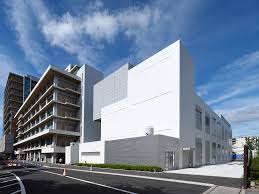
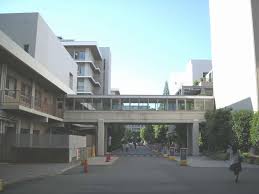
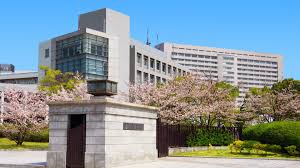
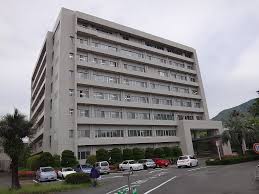
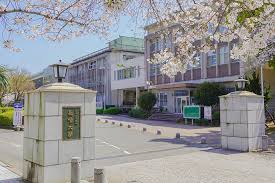
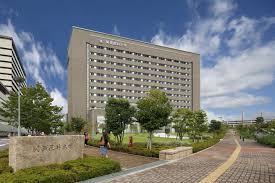
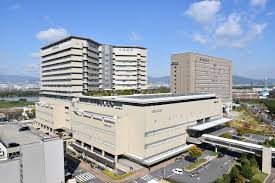
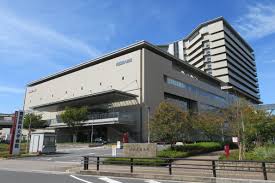
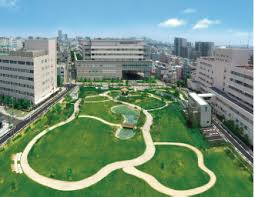
Nagasaki University School of Medicine offers state-of-the-art facilities and infrastructure to facilitate high-quality medical studies, research, and clinical training. The university utilizes the latest modern technology along with traditional and well-established medical facilities to ensure an ambience that supports learning, innovation, and professional development.
Campus and Academic Buildings
Comfortable lecture rooms and classrooms with the latest multimedia and simulation technologies for collaborative learning.
State-of-the-art facilities for basic medical sciences, clinical skill training, and biomedical research.
Specialized research centers such as the Atomic Bomb Disease Institute and the Institute of Tropical Medicine.
Hospital and Clinical Training Facilities
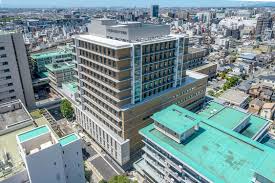
Affiliated Nagasaki University Hospital, a model teaching hospital with extensive variety of specialties and services.
Access to a variety of regional and community hospitals, including those located on outlying islands, so that students have practical experience in community-based medicine and rural healthcare.
Simulation centers fully equipped for the practice of clinical procedures, emergency treatment, and patient communication in a secure learning environment.
Library and Learning Resources
A state-of-the-art medical library with print and digital holdings, including international journals, research databases, and e-books.
Study areas, group discussion rooms, and internet facilities for self-directed learning and group research.
Research and Innovation Infrastructure
State-of-the-art research facilities for radiation health sciences, infectious diseases, epidemiology, and molecular biology.
Facilities for long-term health studies in communities, including linked health databases and cloud infrastructure for regional medical research.
Student Facilities and Campus Life
Spacious hostels and student housing with up-to-date amenities.
Cafeterias, recreation centers, and sports facilities for promoting well-being and extra-curricular activities.
Student services such as career guidance, international exchange programs, and mentorship programs.
Global Collaboration Infrastructure
Space to accommodate international conferences, workshops, and training courses.
Faculty and student assistance for study abroad, research exchange, and global health programs.
Nagasaki University School of Medicine unites tradition, advanced technology, and social involvement to create an optimal learning environment for student academic excellence, research creativity, and professional skills.
Official site For Nagasaki University School of Medicine: Click Here
Nagasaki University School of Medicine Fee Structure
Approximately fee structure will be 60 lakhs to 70 lakhs.
Required Documents For Admission in Nagasaki University School of Medicine
Academic transcripts from higher secondary school
Passport-sized photos and a valid passport
Language proficiency proof (JLPT / TOEFL / IELTS)
Letters of recommendation (If required).
Statement of Purpose (SOP)
Financial proof of ability to pay tuition and living expenses
Health check-up and vaccination records
Eligibility Criteria For Admission in Nagasaki University School of Medicine
- Academic Qualification – Class 12 with Physics, Chemistry, Biology
- Minimum Marks – At least 70% in PCB subjects
- Entrance Exam – NEET (for Indian students)
- Language Requirement – JLPT (Japanese Language Proficiency Test) N2/N1 or TOEFL/IELTS if applying for English-medium programs
- Age Limit – Should cross 17+
- Valid Passport
Admission Process For Nagasaki University School of Medicine
- Research Universities: Find the top medical colleges in Japan and check if they offer MBBS in English or Japanese.
- Prepare Documents: Collect all required academic and personal documents.
- Submit Application: Apply online through the university portal or via Japanese embassies.
- Entrance Exams: universities may require a written test or interview (if Necessary)
- Application Fee: Complete payment as part of the process.
- Get Acceptance Letter: If selected, you’ll receive an admission letter needed for the student visa.
Get more details about the colleges in Kyrgyzstan: Click Here
Benefits of Studying in Nagasaki University School of Medicine
Learning at Nagasaki University School of Medicine provides students with an ideal balance of academic quality, international exposure, and hands-on training, making them well-equipped for prosperous careers in medicine in Japan and overseas.
1. Global-Standard Education
Well-rounded medical curriculum that includes basic sciences, clinical practice, and research.
Focus on ethics, professionalism, and patient-centered care for holistic development as a medical professional.
Chances to benefit from the experience of veteran professors and globally renowned researchers in areas like radiation health sciences, tropical medicine, and community healthcare.
2. Research Opportunities
Opportunities to work at state-of-the-art research institutes like the Atomic Bomb Disease Institute and the Institute of Tropical Medicine.
The ability to be involved in pioneering research in areas such as infectious diseases, epidemiology, radiology, and lifestyle-related diseases.
Facilitation for international collaborative research and publications in leading journals.
3. Global Exposure
Exchange opportunities and partnerships with more than 40 international universities and institutions.
Study abroad opportunities, foreign clinical training, and international internship opportunities, facilitating the development of an international mindset in medicine.
Exposure to various healthcare delivery systems and medical traditions.
4. Community-Based Experience
Regional hospital and rural island training, as well as community health center training, to gain hands-on experience in public health and primary care.
Participation in community health projects and preventive care programs, providing students with hands-on experience of population health management.
Participation in innovative projects such as cloud-based health management systems in Goto City, where technology is merged with community care.
5. Historic and Unique Learning Environment
Studying at a university with a history and special culture, being the only medical school that has experience of the devastation wrought by the atomic bomb, which shapes its world-class expertise in radiation medicine.
Exposure to a resilient, innovative, and humanitarian medical culture.
6. Career Development and Networking
Strong bonds with partner hospitals, research institutions, and global partners for internships, residency, and research programs.
Faculty guidance and support to pursue medical licensure in Japan and elsewhere.
Alumni and international healthcare professional networking opportunities.
7. Holistic Student Life
Contemporary campus facilities, hostels, sports, and recreational facilities.
Academic counseling, career guidance, and international student integration support services.
Incentives for extracurricular activities, seminars, and student organizations.
Learning at the Nagasaki University School of Medicine provides students with outstanding medical expertise, worldwide insights, and hands-on experience, enabling them to become innovative, ethical, and socially accountable healthcare providers who can contribute positively both locally and internationally.
Privileges And Benefits for Indian Students in Nagasaki University School of Medicine
Nagasaki University School of Medicine offers a range of benefits and support structures to suit Indian students studying MBBS in Japan, making it a seamless academic, cultural, and professional experience.
1. Internationally Accepted Medical Degree
MBBS from Nagasaki University is accepted globally.
Students are eligible to sit for the Foreign Medical Graduates Examination (FMGE/NExT) in India and other countries’ licensing examinations.
Offers a solid platform for further medical education, specialization, or research opportunities around the world.
2. Student Support and Guidance
Committed international student office to handle admission, visa application, and registration of Japanese residency.
Academic guidance and mentorship programs to support Indian students in getting familiar with Japanese education and healthcare systems.
Language guidance and support for Japanese language learning, which is necessary for clinical training in hospitals.
3. Affordable and Transparent Fees
Competitive tuition rates relative to other international medical universities.
Scholarships and financial assistance for deserving international students could be possible.
4. Clinical and Practical Exposure
Hands-on practice at Nagasaki University Hospital and regional affiliated hospitals, including remote island medical health facilities.
Community-based medicine and public health training opportunities, providing practical experience that can be applied anywhere in the world.
Exposure to up-to-date healthcare technologies and advanced medical practices.
5. Global Exposure and Research Opportunities
Participation in international exchange programs, research partnerships, and study abroad.
Access to advanced research centers, such as the Atomic Bomb Disease Institute and the Institute of Tropical Medicine, to gain experience in radiation health, infectious diseases, and community health research.
Global professional networks through opportunities to participate in international conferences and workshops.
6. Multicultural and Supportive Environment
Study with students from various countries, promoting intercultural understanding and global sensitivities.
Cultural activities and programs to facilitate Indian students in their acclimatization to Japanese life but with links to their own culture.
7. Career Planning
Postgraduate training, specialization, or residency in Japan or overseas, with proper guidance.
Networking with medical alumni and professionals for mentorship in a career as well as collaborations in research.
Indian students at Nagasaki University School of Medicine enjoy a quality education, international exposure, hands-on clinical training, and robust support systems, making it a favorable destination for a career in medicine.
FAQ’s
Does the university provide clinical training?
Yes, students receive hands-on training in Nagasaki University Hospital and affiliated regional hospitals, including remote island healthcare centers, to gain practical experience in both urban and community-based medicine.
Can Indian students participate in exchange programs or overseas training?
Yes, the university has agreements with over 40 universities worldwide, allowing students to engage in study abroad, research projects, and international internships.
What career opportunities are available after graduation?
Graduates can:
- Practice medicine in Japan after passing Japanese licensing requirements.
- Return to India and appear for the FMGE/NExT exam.
- Pursue postgraduate specialization or research careers internationally.
What is the medium of instruction?
- The primary medium is Japanese, though international students receive support and guidance for learning Japanese.
- Some research programs and short-term courses may be available in English.
What are the departments in the School of Medicine?
- Department of Medicine – covers basic and clinical medical education.
- Department of Health Sciences – includes programs in Nursing, Physical Therapy, and Occupational Therapy.
Is the MBBS degree recognized in India?
Yes, graduates of Nagasaki University are eligible to appear for the FMGE/NExT exam in India and can practice medicine after clearing the licensure exam
Also Check:
Gallery
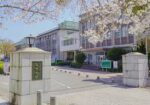

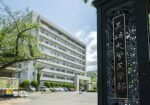

Map View
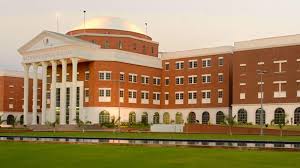
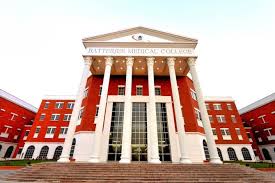
Batterjee Medical College for Sciences and Technology
Batterjee Medical College for Sciences and Technology Jeddah Batterjee Medical College

Kansai Medical University School of Medicine
Kansai Medical University School of Medicine, Moriguchi Kansai Medical University was
Kurume University School of Medicine
Kurume University School of Medicine – Kurume The Kurume University is

Osaka Medical and Pharmaceutical University Faculty of Medicine Takatsuki
Osaka Medical and Pharmaceutical University Faculty of Medicine Takatsuki Osaka Medical