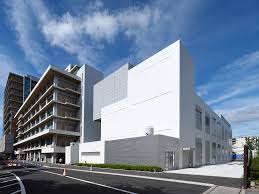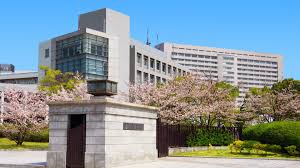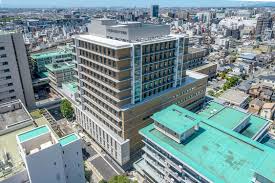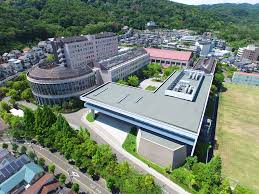
Kumamoto University School of Medicine
Professor Yamagata Kazuya took over as Dean of the School of Medicine at Kumamoto University in April 2023, with deep honor and humility at being entrusted with such a great responsibility. He committed to dedicating his best efforts to the discharge of his responsibilities and to contributing to the institution that has constantly guided and nurtured his career.
About Kumamoto University School of Medicine
The tradition of medical education in Kumamoto is deeply rooted, dating back more than 260 years to Saishunkan, Japan’s initial public medical school, established in 1756 by Lord Hosokawa Shigetaka of the Higo Kumamoto Domain. This institution served as a foundation for ideals and ethics that still pervade medical education in Kumamoto to this day.
Kumamoto University School of Medicine – Table of Contents
- About
- Advantages
- Ranking
- Departments And Course Duration
- Facilities And Infrastructure
- Fee Structure
- Required Documents
- Eligibility Criteria
- Admission Process
- Benefits
- Privileges And Benefits for Indian Students
- FAQ’s
When Saishunkan was established, the moral values and principles for future physicians were inscribed as murals on its walls. These principles are still astonishingly applicable even in the modern era. The inscriptions highlighted that “the path of medicine is the path of saving people” and a physician should never change his or her attitude and compassion in relation to a patient’s wealth or social standing.
They were encouraged to stay humble, honest, and cooperative, holding fast to regulations and ever straining to acquire knowledge beyond the field of medicine. They were told that success is not in short-term gains but in continual learning and striving for excellence based on evidence and integrity.

Kumamoto University School of Medicine Accreditations, Affiliations, Recognitions
These lessons—ethics, social obligation, lifelong learning, and evidence-based practice—constitute a set of values common to all humans that are the pillars of contemporary medical education. Kojo Medical School inherited the spirit of Saishunkan later on, when it was founded in 1871 as the successor of the former.
The school became the academic home of Dr. Shibasaburo Kitasato, the pathbreaking bacteriologist whose work greatly contributed to the world of medicine and made him one of the prime contenders for the first Nobel Prize in Physiology or Medicine.
Based on such a distinguished heritage, the Kumamoto University School of Medicine seeks to uphold these enduring values while promoting innovative and internationally significant medical education. It is the mission of the school to train physicians, medical researchers, and educators with profound humanity, high ethical ideals, and a continued commitment throughout their lives to their vocation in medicine and its related fields.
The university emphasizes nurturing individuals capable of adapting to an ever-evolving medical landscape, fostering collaboration, and contributing meaningfully to both local and international communities.
With a time when medicine is itself changing so fast with advances in science and technology, such as artificial intelligence (AI), the School of Medicine supports its students to adopt intellectual inquisitiveness, interdisciplinarity, and critical thinking. Students are steered to seek out their own vision for the type of doctor or researcher they wish to be and to hone that vision through experience, learning, and substantive human relationships.
Knowing that the expectations of medical education are rising both intellectually and economically, the university is firm in its commitment to excellence despite financial difficulties. As a move to continue educational innovation and achieve competitive growth among national universities, Kumamoto University created the Kumamoto University Medical Education and Research Fund (Kumaimon Fund).
The fund helps finance educational development and research activities, initiated through kind contributions from benefactors who share the institution’s vision. The School of Medicine expresses its sincere appreciation to all those who have contributed and hopes they will continue their understanding and support in developing the next generation of caring, ethical, and competent medical practitioners.
Advantages of Studying at Kumamoto University School of Medicine
Top-notch graduate programs:
The School of Medicine offers world-class graduate programs in medicine, biomedical sciences, and public health that draw students and researchers from the world, as cited in a Google review.
Strong research environment:
This is a national public research university with a strong research focus in its medical and biomedical sciences schools.
Reputation:
Kumamoto University is a national public university that has a strong national and global reputation, such as being ranked as one of the best universities in the world by the QS World University Rankings, as ranked by Top Universities.
Diverse academic setting:
Being a huge public university with seven faculties and eight graduate schools, it has plenty of academic and research opportunities, including those in medicine.
Latest Notifications:
Kumamoto University School of Medicine – Ranking
The Kumamoto University School of Medicine is among Japan’s highest-ranking institutions for medical education and research. It has two primary divisions — the School of Medicine, which has a six-year medical degree program, and the School of Health Sciences, which has a four-year degree program in health sciences.
Collectively, these schools aim to develop doctors, researchers, and healthcare professionals who, in addition to possessing advanced medical knowledge, also have profound empathy and strong ethics in treating patients.
Since it was founded as an independent Kumamoto Medical School in 1896, the School of Medicine has graduated more than 10,000 individuals, many of whom have become leaders in clinical practice, medical research, and public health in Japan and around the globe.
The educational framework combines specialized education by faculty with life science and medical expertise to provide students with a firm theoretical background and rich clinical exposure. The curriculum is structured to approximate real-life medical research and practice in healthcare, laying strong emphasis on communication skills, compassion, and ethical professionalism, which are integral skills for budding doctors.
In addition to this, the Center for Medical Education and Research was inaugurated in October 2010. This is a key institution that plays an important role in enhancing the quality of medical education through research in educational methods, curriculum renewal, and enhanced clinical training and practical skills. Its goal is to continuously improve the learning environment and provide students with education that corresponds to the new standards in the field of medicine worldwide.
During October 2003, the university made a major step in health care interdisciplinary teaching by bringing the College of Medical Sciences, comprising an advanced Midwifery Course and a Nursing Teacher Training Course (previously part of the Faculty of Education), into the School of Health Sciences. Now, the School of Health Sciences has three specialized courses — the Course of Nursing, Course of Radiological Sciences, and Course of Medical Laboratory Sciences.
All these courses are designed to impart a complete and human-oriented education on the basis of hands-on respect for life and humankind, along with a high degree of specialized knowledge and technological skill. The school is committed to developing competent medical personnel, teachers, and researchers to serve in various fields of medicine as members of the multidisciplinary medical team.
At the heart of the Kumamoto University School of Medicine’s philosophy is a commitment to developing physicians and medical scientists who embody humanity, ethical integrity, and social responsibility. The school strives to nurture professionals who will continue to learn and evolve throughout their lives, adapt to changing global medical environments, and contribute meaningfully to the health and well-being of both their local communities and the broader international society.
Departments And Course Duration in Kumamoto University School of Medicine
MBBS Departments & Course Duration
Institution: Kumamoto University School of Medicine, Kumamoto
Program Duration: 6 years (Medical Degree – equivalent to MBBS)
Course Structure & Departments
The MBBS program at Kumamoto University is designed to integrate basic medical sciences, clinical medicine, and practical training, ensuring students acquire comprehensive medical knowledge and clinical skills. The program is structured as follows:
-
Preclinical / Basic Medical Sciences (Years 1–2)
-
-
- Anatomy
- Physiology
- Biochemistry
- Microbiology and Immunology
- Pathology
- Pharmacology
- Medical Ethics and Humanities
-
-
Clinical Medicine / Core Medical Departments (Years 3–5)
-
-
- Internal Medicine
- Surgery
- Pediatrics
- Obstetrics and Gynecology
- Psychiatry
- Radiology
- Anesthesiology
- Emergency Medicine
- Dermatology, Ophthalmology, and Otorhinolaryngology (ENT)
-
-
Clinical Training / Internship (Year 6)
-
- Rotations in university-affiliated hospitals
- Hands-on clinical practice under supervision
- Focus on patient care, communication skills, and evidence-based medicine
Highlights
- Strong emphasis on communication, ethics, and patient-centered care.
- Exposure to cutting-edge medical research and clinical technologies.
- Preparation for national licensing exams and global medical practice.
Latest Updates:
Facilities And Infrastructure in Kumamoto University School of Medicine
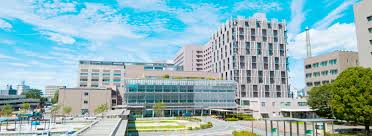
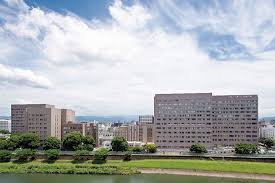
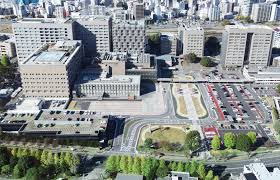
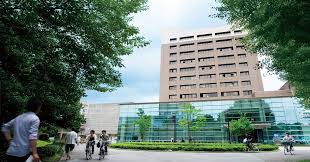
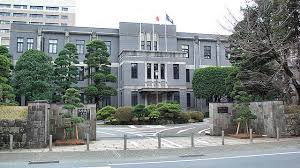
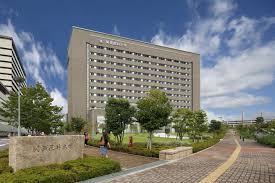
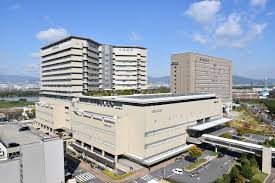
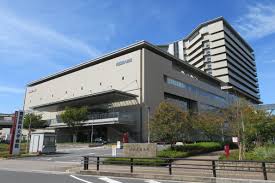
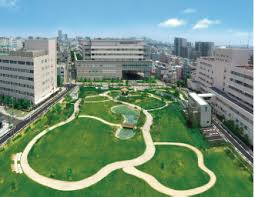
Kumamoto University School of Medicine, Kumamoto, boasts top-class infrastructure to support high-standard medical education, research, and clinical training. The university combines new buildings with rich history and heritage, making the educational environment for students innovative and professionally supportive.
Academic & Research Facilities
Lecture Halls & Classrooms: Equipped with state-of-the-art audio-visual technology to support good interactive learning.
Laboratories: Specialized rooms for anatomy, physiology, biochemistry, microbiology, pharmacology, and pathology, enabling hands-on experimentation and research.
Simulation Centers: Advanced clinical skills labs and simulation centers to practice medical procedures in a safe environment before patient encounter.
Research Centers: Contains the Center for Medical Education and Research, enabling curriculum development, clinical research, and innovation in medical education.
Libraries & Digital Resources: Entire collection of medical literature, journals, and online databases to support research and self-directed learning.
Clinical Training & Hospital Facilities
University Hospital Affiliations: Clinical rotations in Kumamoto University Hospital and other affiliated hospitals to expose students to a wide range of medical cases.
Specialty Departments: Well-equipped, fully functional units in surgery, internal medicine, pediatrics, obstetrics and gynecology, psychiatry, radiology, and others.
Diagnostic & Therapeutic Technology: State-of-the-art imaging, lab, and operating room equipment to enable modern clinical training.
Student Life & Support Facilities
Hostels & Residence: Convenience on-campus and off-campus residence facilities for students.
Cafeterias & Meal: Nutritious meal options ensuring overall well-being.
Sports & Recreation: Facilities for physical well-being, sports, and wellness programs.
Extracurricular & Cultural Activities: Clubs, societies, and events encouraging individual development and socialization.
Technology & Innovation
Use of AI and digital technologies in research and learning.
Telemedicine, electronic medical records, and sophisticated communication systems available for clinical training.
Kumamoto University School of Medicine provides a comprehensive and state-of-the-art facility, which combines strict academic and clinical training facilities with research institutes, computer facilities, and student support facilities, so that graduates are well equipped for medical practice in Japan and abroad.
Official site For Kumamoto University School of Medicine: Click Here
Kumamoto University School of Medicine Fee Structure
Approximately fee structure will be 60 lakhs to 70 lakhs.
Required Documents For Admission in Kumamoto University School of Medicine
Academic transcripts from higher secondary school
Passport-sized photos and a valid passport
Language proficiency proof (JLPT / TOEFL / IELTS)
Letters of recommendation (If required).
Statement of Purpose (SOP)
Financial proof of ability to pay tuition and living expenses
Health check-up and vaccination records
Eligibility Criteria For Admission in Kumamoto University School of Medicine
- Academic Qualification – Class 12 with Physics, Chemistry, Biology
- Minimum Marks – At least 70% in PCB subjects
- Entrance Exam – NEET (for Indian students)
- Language Requirement – JLPT (Japanese Language Proficiency Test) N2/N1 or TOEFL/IELTS if applying for English-medium programs
- Age Limit – Should cross 17+
- Valid Passport
Admission Process For Kumamoto University School of Medicine
- Research Universities: Find the top medical colleges in Japan and check if they offer MBBS in English or Japanese.
- Prepare Documents: Collect all required academic and personal documents.
- Submit Application: Apply online through the university portal or via Japanese embassies.
- Entrance Exams: universities may require a written test or interview (if Necessary)
- Application Fee: Complete payment as part of the process.
- Get Acceptance Letter: If selected, you’ll receive an admission letter needed for the student visa.
Get more details about the colleges in Kyrgyzstan: Click Here
Benefits of Studying in Kumamoto University School of Medicine
Learning at Kumamoto University School of Medicine provides a mix of quality medical education, cultural immersion, and international opportunities. The university offers an environment that fosters not only clinical and research expertise but also humanitarian, ethical, and leadership qualities.
1. Quality Medical Education
Integrated six-year MBBS course with a well-balanced blend of basic sciences, clinical training, and practice experience.
Exposure to evidence-based practice and contemporary clinical methods, making the graduates ready for national licensing examinations as well as global medical practice.
Education in multidisciplinary health sciences areas such as research, ethics, and medical humanities.
2. World-Class Faculty and Research Experience
Teaching by seasoned and globally acclaimed faculty in medicine and life sciences.
Chance to be engaged in innovative research in all areas of medicine and healthcare.
Access to state-of-the-art laboratories, simulation facilities, and research laboratories, including the Center for Medical Education and Research.
3. Clinical Exposure
Practical experience in Kumamoto University Hospital and related hospitals.
Training in various specialties, preparing students for a wide variety of medical careers.
Focus on communication skills, patient care, and ethical practice of medicine.
4. Personal and Professional Development
Leadership, team, and critical thinking skills development through team-based projects and clinical rotations.
Opportunities to participate in extracurricular activities, student clubs, and community service, promoting all-round development.
Preparation for adjustment to the fast-changing medical profession, including developments in AI and digital health.
5. International Recognition and Networking
Graduates earn degrees recognized in Japan and worldwide, leading to international medical careers.
Access to overseas conferences, exchange programmes, and research collaboration.
6. Friendly Environment
Up-to-date hostels, libraries, sports, and recreational facilities conducive to academic and personal life.
A culture of care that promotes respect for life, ethical practice, and empathetic patient care.
Kumamoto University School of Medicine provides students with a firm medical foundation, clinical skill, and ethical values to become effective, empathetic, and internationally-oriented medical professionals.
Privileges And Benefits for Indian Students in Kumamoto University School of Medicine
1. Global Recognition and Quality Education
MBBS is globally accepted, and Indian students can pursue careers in Japan, India, or other countries upon graduation.
Education emphasis on evidence-based medicine, clinical practice, and research, with students taught modern medical skills.
2. Multicultural Study Experience
Indian students are enrolled among a multicultural student population.
Cross-cultural awareness through interaction with international students and faculty.
3. Language Assistance and Counseling
Japanese language courses are offered to help students communicate well in hospitals and daily life.
Exam and clinical rotation study guidance is offered for a smooth learning process.
4. Research and Clinical Experiences
Indian students enjoy the facilities of contemporary medical research under the guidance of professionals.
Clinical training at Kumamoto University Hospital and affiliated hospitals offers exposure to various specialties and patient care scenarios.
5. Career Guidance and Networking
Guidance for Japan’s national medical licensure exams (National Medical Licensing Examination) and India (NMC/FMGE).
Opportunities to travel to conferences, workshops, and international collaborations, expanding professional networks.
6. Student Support and Comfortable Living
Campus and nearby hostel facilities, libraries, sports, and healthcare facilities.
International student office support for visa, accommodation, and cultural adaptation.
7. Scholarships and Financial Aid
Scholarship and grant facilities for meritorious international students, including Indians, to meet the fee charges and expenses of living.
Indian students in Kumamoto University have access to superior medical education, superb clinical and research experience, cultural adjustment, language support, and career guidance, making them well-placed for medical professions globally.
FAQ’s
What kind of clinical exposure do students receive?
- Students undergo rotations in various medical specialties at Akita University Hospital and affiliated hospitals.
- Emphasis is placed on patient care, clinical skills, communication, and ethical practice.
Does the university provide accommodation?
Yes, the university offers on-campus dormitories and support for finding off-campus housing for international students.
What facilities are available for students?
- Modern lecture halls, labs, simulation centers, libraries, sports, and recreational facilities.
- Research centers and clinical training units for hands-on learning.
How is the student life and campus culture?
Students enjoy a supportive learning environment, extracurricular activities, cultural events, and opportunities to participate in community service and research projects.
What is the duration of the MBBS/Medical program?
The medical program at Akita University School of Medicine is a 6-year program, integrating basic medical sciences, clinical training, and hands-on practice.
Also Check:
Gallery


Map View
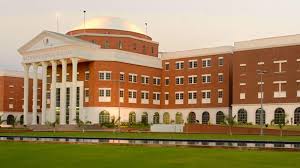
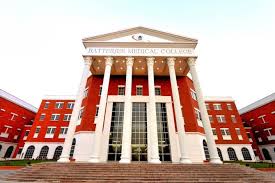
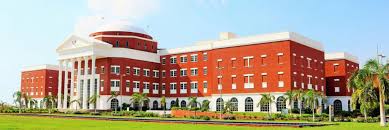
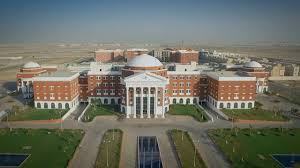
Batterjee Medical College for Sciences and Technology
Batterjee Medical College for Sciences and Technology Jeddah Batterjee Medical College

Kansai Medical University School of Medicine
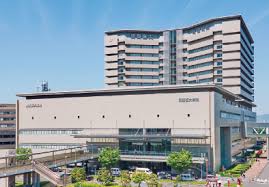
Kansai Medical University School of Medicine, Moriguchi Kansai Medical University was
Kurume University School of Medicine
Kurume University School of Medicine – Kurume The Kurume University is



Osaka Medical and Pharmaceutical University Faculty of Medicine Takatsuki
Osaka Medical and Pharmaceutical University Faculty of Medicine Takatsuki Osaka Medical