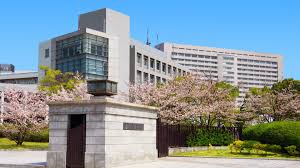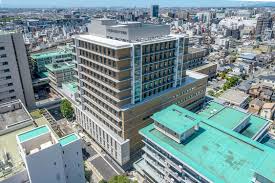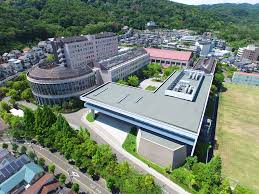

Kobe University School of Medicine The history of the Graduate School of Medicine and Faculty of Medicine, Kobe University traces back to 1869 when Kobe Hospital was founded, marking the beginning of modern medical education and research in the area.
About Kobe University School of Medicine
Since its founding, the institution has steadily progressed in basic and clinical medical science fields while breeding doctors and researchers not only with sophisticated expertise and technical capabilities but also rich ethical values and humanitarian spirit. It has also contributed to enhancing regional medicine throughout Hyogo Prefecture.
Kobe University School of Medicine – Table of Contents
- About
- Advantages
- Ranking
- Departments And Course Duration
- Facilities And Infrastructure
- Fee Structure
- Required Documents
- Eligibility Criteria
- Admission Process
- Benefits
- Privileges And Benefits for Indian Students
- FAQ’s
Since 2016, in accordance with the initiative “Priority Support for National University Reform” of the Japanese government, Kobe University has earnestly promoted the building of a world-class education and research environment.
Based on its vision, “Towards a Global Hub for the Multidisciplinary Co-Creation of Research and Education That Cultivates Profound Knowledge and Outstanding Innovators,” the university endeavors to be comparable to top universities around the world.
Within this system, the Graduate School and Faculty of Medicine seek to produce high-level medical innovations in close interaction with Kobe University Hospital, as well as globally capable clinicians and researchers who are able to transfer their capabilities to actual clinical problems.

Kobe University School of Medicine Accreditations, Affiliations, Recognitions
The school also encourages interdisciplinary collaboration, industrial-government collaboration, active collaboration with local communities, and international academic exchange.
The facts of a super-aging society combined with the situation brought about by the COVID-19 pandemic have significantly impacted medical education as well as healthcare provision.
Accordingly, Kobe University has adopted digitalization, online learning, and telemedicine systems, which provide resilience and safety in research, clinical practice, and education. Special attention was also given to student well-being, such as mental health assistance, while developing learner-centered educational approaches in the post-pandemic context.
For the purposes of developing continuous academic excellence, the Graduate School and Faculty have formed specialized committees at every level of study—undergraduate, master’s, and doctoral courses. This has facilitated the development of a complete and integrated education system, including postgraduate clinical training, for developing professionals who have both a scientific mindset and global thinking.
Programs like the Regional Medical Framework, the Basic Medical Research Doctor Training Program, and the MD-PhD track offer students more than one career option and the comfort to study without unnecessary concern.
In recent years, Kobe University has been making significant progress in medical device research and development, which has become one of its unique strengths. The creation of the Center for Advanced Medical Engineering Research & Development (CAMED) together with the Graduate Schools of Medicine, Engineering, and Science, Technology, and Innovation has provided a solid platform for frontier biomedical engineering.
In Kobe Medical Industry City, the university has built a center for developing and testing innovative medical devices with a close linkage to industry and government. The International Clinical Cancer Research Center (ICCRC), opened in 2017, further strengthens this environment through international collaboration, leading-edge cancer treatments, and the blending of patient-centered research and clinical education.
A model initiative, the “Kobe Vision for the Healthcare of Tomorrow”—a joint venture by Kobe University, Kobe City, and industry—was adopted in 2019 under the government’s Regional University and Industry Development Grant Program.
This grand vision is geared towards constructing an innovation ecosystem that develops human resources, promotes medical device creation, and assists regional revitalization through the provision of job opportunities and talent retention. To support this vision, the Department of Medical Device Engineering (Doctoral Program) was established in 2023, with a new undergraduate program planned for 2025.
These programmes are aimed at producing innovators who can think through and design next-generation medical devices by bringing together medicine, engineering, and intellectual property expertise. Students directly participate in hands-on projects, collaborating with industry experts and cross-appointed educators to design and create actual medical devices—in the process acquiring valuable hands-on skills for future professionals.
Since Kobe University is an extensive research university, strong efforts are made to push forward both basic and clinical medical science. Kobe University’s Faculty of Medicine has world-class researchers who conduct innovative studies in areas including signal transduction, infectious disease, and neuroscience.
Such cooperative efforts are also complemented by special centers like the Center for Medical Transformation (CMX) and the Center for Infectious Diseases, enabling interdisciplinary research through collaboration between basic science and clinical applications. In the future, the university plans to enhance connections between CAMED and the newly formed Department of Medical Device Engineering with an aim towards accelerating translational research and translational innovation.
The university is also aware of the increasing importance of big data, AI, and digital medicine in shaping contemporary healthcare solutions. By integrating machine learning, data-driven studies, and interdisciplinarity, Kobe University aims to develop a strong system that can create effective discoveries and enhance patient outcomes.
Graduate School and Faculty of Medicine at Kobe University remain a world-class institution for medical education, healthcare innovation, and advanced research. By developing superior medical professionals, fostering industry-academia collaborations, and contributing actively to both regional and international communities, the university is dedicated to significantly contributing to the future of medicine in Japan and internationally.
Advantages of Studying in Kobe University School of Medicine
Kobe University School of Medicine is the best university in Japan and provides students with an ideal combination of academic excellence, global exposure, and advanced research facilities.
Integrated Medical Research:
The university’s International Program for Medical Research gives students the unusual opportunity to double major in basic and clinical medicine. This program has a worldwide approach that allows students to synthesize advanced scientific knowledge with practical medical uses.
Advanced Healthcare & High-Quality Education
Placed at the center of Japan’s sophisticated healthcare network, Kobe University provides its students with first-rate training in contemporary medicine. The program focuses on both theory and practical experience through clinical practice, allowing its graduates to keep pace with the changing needs of the medical field.
Cutting-Edge Research
Kobe University is a leader in medical innovation, undertaking basic and applied research projects. The university opens up new areas of research into artificial intelligence, Internet of Things (IoT), and big data analysis in medicine in collaboration with industries, research institutions, and local governments. This provides students and researchers with a platform to work together to generate real-world solutions for health challenges in the future.
Career and Global Opportunities
Graduation from Kobe University provides access to international career options. As one of Japan’s top national universities, it develops leadership skills, analytical thinking, and a firm global perspective. Its strong ties with industry and healthcare institutions also offer students significant networks as well as career opportunities in Japan and worldwide.
Location and Environment
Situated in the cosmopolitan city of Kobe, students can gain exposure to a rich cultural and learning atmosphere. Kobe, a global port city, is a balance between old Japan and innovation, providing a secure, friendly, and stimulating environment for learning and personal development.
Latest Notifications:
Kobe University School of Medicine – Ranking
Kobe University has consistently placed itself in the top national universities in Japan with a commitment to quality education, research at the forefront, and internationalization. The university underwent the Institutional Certified Evaluation and Accreditation process conducted by the National Institution for Academic Degrees and Quality Enhancement of Higher Education (NIAD-QE) in the academic year 2021.
Kobe University was actually accredited in 2022 as meeting national standards of evaluation and accreditation, reaffirming its high academic standards and institutional quality.
Certifications at the individual level have also been obtained by certain of the graduate schools of Kobe University. For instance, the Department of Professional Legal Education of the Graduate School of Law achieved certified assessment in the 2018 academic year by NIAD-QE and was recognized in 2019 for attaining the required standards of accreditation.
Similarly, the Graduate School of Business Administration’s Department of Management Theory in Practice (MTP) went through a review in 2018 by the Japan University Accreditation Association (JUAA) and got accredited in 2019, reaffirming Kobe University’s ongoing commitment to providing the highest possible standards in professional specialized education.
Apart from accreditations, Kobe University has also emerged as a leading force in the higher education and culture in Japan. Located in Kobe, a city traditionally famous as an international portal to Japan, the university has established a vibrant and cosmopolitan academic community.
The university aggressively encourages an international network of cooperation guided by the principles of knowledge creation, sharing, and circulation, as well as a strong focus on international collaboration, academic exchange, and leadership potential development.
Equally important is the diversity, equity, and inclusion philosophy of the university. Kobe University is committed to respecting every individual as a valued member of its community, regardless of gender, sexual orientation, gender identity, ethnicity, culture, religion, language, origin, age, educational level, or physical and mental features. By fostering an open and inclusive environment, the university enables its students, teachers, and researchers to develop their fullest individuality and reach their fullest potential.
This common culture of inclusion has played a central role in making Kobe University successful in attracting global talent and further establishing itself as a leading education and research center in Japan and globally.
Latest Updates:
Departments And Course Duration in Kobe University School of Medicine
Course Duration
The program at Kobe University School of Medicine is a 6-year program, which is the standard for all medical schools in Japan.
The curriculum is typically divided into three main phases:
- Pre-Clinical Phase (Years 1-2): Focus on liberal arts, basic sciences (physics, chemistry, biology), and foundational medical sciences (anatomy, physiology, biochemistry).
- Pre-Clinical / Paraclinical Phase (Years 3-4): Intensive study of core medical sciences (pathology, pharmacology, microbiology) and introduction to clinical medicine through lectures and simulations. Year 4 ends with the CBT (Computer-Based Test) and OSCE (Objective Structured Clinical Examination), which students must pass to proceed to clinical clerkships.
- Clinical Clerkship Phase (Years 5-6): Hands-on clinical training through rotations in various hospital departments. The final year is dedicated to these clerkships and preparing for the National Medical Licensure Examination.
Departments and Clinical Disciplines
During the clinical clerkships (Years 5-6), students rotate through the major clinical departments of the university hospital. These departments form the core of their practical medical education.
Core Clinical Departments for Clerkships:
- Internal Medicine (with numerous subspecialties)
- Gastroenterology & Hepatology
- Cardiology
- Respiratory Medicine
- Neurology
- Endocrinology & Metabolism
- Hematology & Oncology
- Nephrology
- Rheumatology & Clinical Immunology
- Surgery (with numerous subspecialties)
- Gastrointestinal & General Surgery
- Cardiovascular & Thoracic Surgery
- Orthopaedic Surgery
- Neurosurgery
- Pediatric Surgery
- Plastic & Reconstructive Surgery
- Pediatrics
- Obstetrics and Gynecology
- Psychiatry
- Dermatology
- Ophthalmology
- Otorhinolaryngology-Head & Neck Surgery
- Urology
- Emergency & Critical Care Medicine
- Radiology
- Anesthesiology
- Pathology & Laboratory Medicine
Foundational & Pre-Clinical Science Departments:
These departments are responsible for teaching the basic medical sciences in the first half of the curriculum.
- Anatomy & Cell Biology
- Physiology
- Biochemistry & Molecular Biology
- Pharmacology
- Pathology
- Microbiology
- Immunology
- Forensic Medicine
- Public Health
Information for International Students
Kobe University’s medical program is primarily taught in Japanese. A high level of Japanese proficiency (typically JLPT N1) is required for admission and to succeed in both the coursework and clinical clerkships, where communication with patients and staff is essential.
- Undergraduate Program: The 6-year program is for students entering directly from high school. The number of spots for international students is extremely limited and highly competitive.
- International Course (Graduate Level): Kobe University is more accessible at the graduate level. They offer a Doctoral Program in Medical Sciences (PhD) through the Graduate School of Medicine. This program often has courses and research supervision available in English and is designed for students who have already completed a bachelor’s degree in a related field.
Facilities And Infrastructure in Kobe University School of Medicine
Kobe University School of Medicine, Kobe
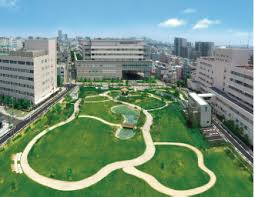
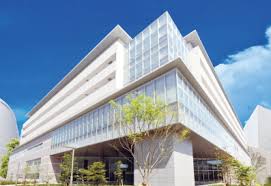
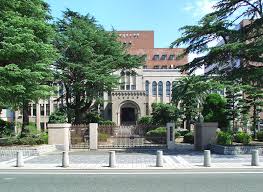
Kobe University School of Medicine provides state-of-the-art facilities to support high-quality medical education and research:
- Modern Classrooms & Lecture Halls: Equipped with advanced audio-visual systems for effective learning.
- Laboratories: Fully furnished labs for anatomy, physiology, biochemistry, microbiology, and molecular biology.
- Clinical Training Facilities: Access to university-affiliated hospitals for hands-on clinical experience.
- Research Centers: Dedicated centers for cutting-edge medical research in areas like regenerative medicine, oncology, and neuroscience.
- Library: Comprehensive medical library with digital resources, journals, and study spaces.
- Hostels & Accommodation: On-campus housing options for domestic and international students with modern amenities.
- Sports & Recreation: Facilities for physical fitness, sports, and extracurricular activities.
- Canteen & Cafeteria: Multiple dining options catering to diverse dietary needs.
- IT & Digital Resources: High-speed internet, e-learning platforms, and simulation labs for practical training.
Official site For Kobe University School of Medicine: Click Here
Kobe University School of Medicine Fee Structure
Approximately fee structure will be 60 lakhs to 70 lakhs.
Required Documents For Admission in Kobe University School of Medicine
Academic transcripts from higher secondary school
Passport-sized photos and a valid passport
Language proficiency proof (JLPT / TOEFL / IELTS)
Letters of recommendation (If required).
Statement of Purpose (SOP)
Financial proof of ability to pay tuition and living expenses
Health check-up and vaccination records
Eligibility Criteria For Admission in Kobe University School of Medicine
- Academic Qualification – Class 12 with Physics, Chemistry, Biology
- Minimum Marks – At least 70% in PCB subjects
- Entrance Exam – NEET (for Indian students)
- Language Requirement – JLPT (Japanese Language Proficiency Test) N2/N1 or TOEFL/IELTS if applying for English-medium programs
- Age Limit – Should cross 17+
- Valid Passport
Admission Process For Kobe University School of Medicine
- Research Universities: Find the top medical colleges in Japan and check if they offer MBBS in English or Japanese.
- Prepare Documents: Collect all required academic and personal documents.
- Submit Application: Apply online through the university portal or via Japanese embassies.
- Entrance Exams: universities may require a written test or interview (if Necessary)
- Application Fee: Complete payment as part of the process.
- Get Acceptance Letter: If selected, you’ll receive an admission letter needed for the student visa.
Get more details about the colleges in Kyrgyzstan: Click Here
Benefits of Studying in Kobe University School of Medicine
Top-Level Education:
Offers an extensive medical course with a combination of theoretical education and clinical exposure.
High-Level Healthcare Exposure:
Direct exposure to Japan’s top-level health care system, providing an insight into advanced medical practices.
Research Exposure:
Possibilities of engaging in large-scale research courses in basic medicine, clinical medicine, and interdisciplinary courses like AI, IoT, and biomedical sciences.
International relations and collaborations offer students the chance to carry out medical research and studies with a global outlook.
State-of-the-Art Infrastructure:
Ultra-modern laboratories, hospitals, and simulation centers support practical learning and skill development.
Strong Alumni Network:
Students can build connections with a vast pool of professionals locally in Japan and worldwide.
Privileges And Benefits for Indian Students in Kobe University School of Medicine
Worldwide Acceptance:
Kobe University qualifications are worldwide acceptable, and hence Indian students can pursue careers or further studies anywhere in the world.
Facilities:
Special international student facilities for visas, residence, orientation, and academic counseling.
Affordable and Secure Living:
Kobe is famous for being student-friendly, secure, and with affordable living expenses compared to other large Japanese cities.
Cultural Integration:
Exchanges to participate in cultural exchange programs and student groups to easily settle into life in Japan.
Clinical Exposure:
Exposure to Japan’s premium healthcare system through partner hospitals, providing on-hand medical experience.
Networking Opportunities:
Engage and network with colleagues, instructors, and alumni, providing research collaboration or career opportunities in Japan as well as internationally.
FAQ’s
What is the living cost in Kobe for students?
Kobe is considered student-friendly with reasonable accommodation, food, and transport costs compared to other major Japanese cities.
Are there opportunities for research?
Yes, students have access to cutting-edge research facilities in basic medicine, clinical medicine, and interdisciplinary fields.
What kind of support is available for international students?
The university provides orientation programs, visa guidance, language support, and counseling for international students to help them adapt.
Can Indian students practice medicine in Japan after graduation?
Graduates must pass the Japanese National Medical Examination. Alternatively, the degree is recognized internationally for further studies or licensure in other countries, subject to local regulations.
Does Kobe University provide accommodation?
Yes, there are university dormitories and affiliated housing options for international students.
Is the program taught in English?
While the primary language of instruction is Japanese, some international programs, research projects, and elective courses are available in English.
Also Check:
Gallery
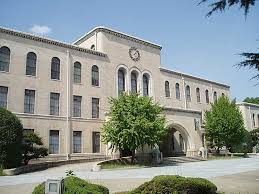
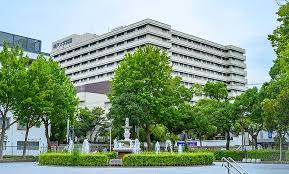
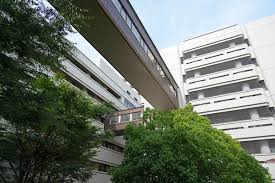

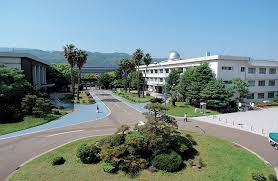





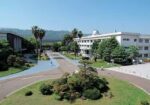
Map View
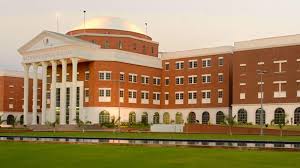
Batterjee Medical College for Sciences and Technology
Batterjee Medical College for Sciences and Technology Jeddah Batterjee Medical College


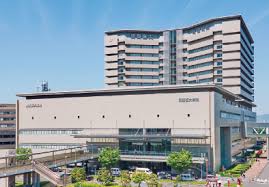
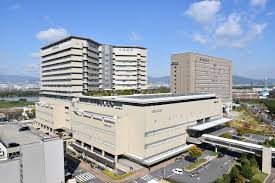
Kansai Medical University School of Medicine
Kansai Medical University School of Medicine, Moriguchi Kansai Medical University was

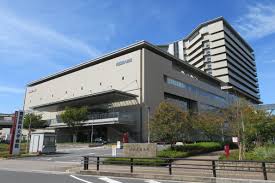
Kurume University School of Medicine
Kurume University School of Medicine – Kurume The Kurume University is



Osaka Medical and Pharmaceutical University Faculty of Medicine Takatsuki
Osaka Medical and Pharmaceutical University Faculty of Medicine Takatsuki Osaka Medical