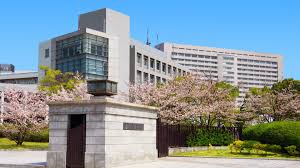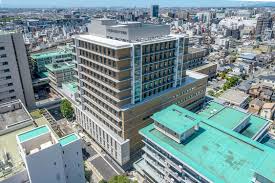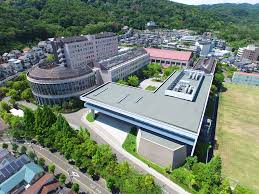

University of Toyama School of Medicine
Guided by a vision of synthesizing Eastern and Western medicine, the University of Toyama School of Medicine is dedicated to developing highly motivated students who want to become proficient, empathetic, and creative healthcare professionals.
About University of Toyama School of Medicine
The School of Medicine is organized into two major departments: Department of Medicine and Department of Nursing. Besides, the School of Pharmaceutical Sciences is located on the same campus, promoting good communication, interdisciplinarity, and a complete care concept in healthcare education.
University of Toyama School of Medicine – Table of Contents
- About
- Advantages
- Ranking
- Departments And Course Duration
- Facilities And Infrastructure
- Fee Structure
- Required Documents
- Eligibility Criteria
- Admission Process
- Benefits
- Privileges And Benefits for Indian Students
- FAQ’s
The Department of Medicine has established an integrated curriculum that emphasizes each internal organ system along with small-group discussions and problem-based learning strategies. This not only enhances students’ knowledge of medical science, but also their critical thinking, clinical thinking, and teamwork abilities.
In parallel, the Department of Nursing focuses on a harmonious synthesis of science and humanistic care, offering students a holistic education that equips them with professionalism and compassion to address changing healthcare needs.

University of Toyama School of Medicine Accreditations, Affiliations, Recognitions
Originally founded in 1975 as the Faculty of Medicine at the Toyama Medical and Pharmaceutical University, the school was drastically reorganized in 2005 when the national universities in Toyama Prefecture were unified, resulting in it becoming the Faculty of Medicine at the University of Toyama.
By 2025, the School of Medicine will mark its 50th anniversary since it began to nurture more than 6,400 alumni from the Departments of Medicine and Nursing, a number of whom have played important roles in the field of medicine both nationally and abroad.
As the only medical school in Toyama Prefecture, the Department of Medicine provides medical education based on international standards. It gives prospective doctors state-of-the-art medical education, sophisticated clinical proficiency, sound moral principles, and empathetic care, thus contributing significantly to regionally strengthening healthcare.
The department also does pioneering research in various areas ranging from neuroscience to infectious diseases and immunology, pre-disease mechanisms, and aging. This not only enhances scientific knowledge but also prepares medical researchers who can make a global difference.
The School of Nursing offers a unique curriculum that allows students to earn three professional degrees: nurse, midwife, and public health nurse—a combination not found in Japan. The graduates are competent in many settings, such as hospitals, government, and universities, and may continue their studies to become very specialized, advanced practice nurses.
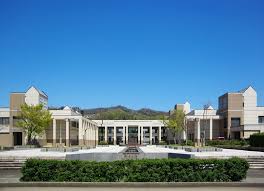
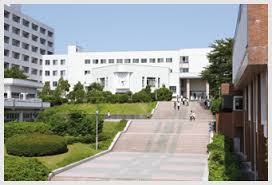
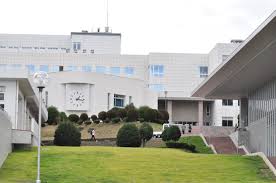
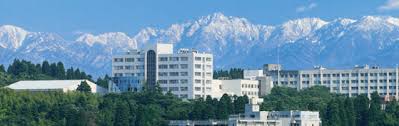
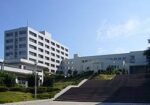
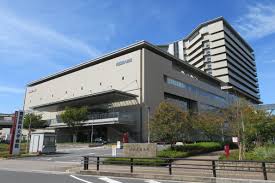
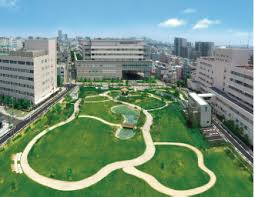
Sugitani Campus, where the Faculty of Medicine is located, is the university’s medical and pharmaceutical education core. The Faculty of Pharmacy and Pharmaceutical Sciences, the University Hospital, and the Institute of Natural Medicine are based on the campus.
By encouraging integration between Eastern and Western medical philosophies and interdisciplinary cooperation, the campus creates an environment that fosters novel solutions in education, research, clinical practice, and social contribution, opening up new frontiers in healthcare development.
Advantages of Studying in University of Toyama School of Medicine
Integrated Curriculum:
The Department of Medicine integrates curricula that are organized by internal organ systems so as to offer a holistic method of learning.
Problem-Based Learning (PBL):
Small-group discussions on problem-based learning are part of the curriculum, encouraging active and collaborative learning.
Focus on Science and Humanities:
All the programs of the university, particularly in nursing, stress the essential blending of humanistic and scientific concepts in medical education.
Specialized Campus:
The School of Medicine occupies the Sugitani campus, along with the School of Pharmacy, to provide a specialized campus for health sciences.
First-rate Japanese Medical Education:
As one of Japan’s prestigious medical education systems, the University of Toyama enjoys a legacy of innovative research and sophisticated facilities.
Structured Curriculum:
Japanese medical education, including that at Toyama, follows the Model Core Curriculum for Medical Education (MCC) established by the Ministry of Education, Culture, Sports, Science and Technology (MEXT), providing a standardized and high-caliber education.
Latest Notifications:
University of Toyama School of Medicine – Ranking
University of Toyama came into existence in October 2005 through the merger of three erstwhile national institutions, namely, Toyama University (established in 1949), Toyama Medical and Pharmaceutical University (established in 1975), and Takaoka National College (established in 1983).
Currently, it is a well-rounded educational institution with nine undergraduate schools, eight graduate schools, a University Laboratory, a University Hospital, a central Library, and twelve professional research institutes, such as the Center for International Education and Research. The campus has a lively academic society with around 9,300 students, including about 320 international students from various countries.
The University of Toyama is an active global collaborator with strong partnerships and cooperative agreements with top universities and research centers in the United States, the United Kingdom, India, Egypt, Australia, Thailand, South Korea, China, Brazil, Malaysia, and Russia.
The International Center is a key contributor towards assisting international students by providing a six-month Japanese language and culture program before entering graduate school, in addition to supporting courses to improve Japanese skills.
Furthermore, the center also offers advice and support for academic success and advice for everyday life in Japan, making the transition and learning experience smooth and fruitful for international students.
The university stands out in offering high-quality education, research rigor, and a focus on developing globally minded graduates with the competence to make significant contributions in the health field, science, and technology.
Departments And Course Duration in University of Toyama School of Medicine
Departments (for MBBS/Medicine Program):
The MBBS course at the University of Toyama is imparted by the Department of Medicine, which is the central department for training physicians in Toyama Prefecture.
Internal Medicine – Such as cardiology, gastroenterology, endocrinology, nephrology, and allied subspecialties.
Surgery – Such as general surgery, orthopedic surgery, thoracic surgery, and minimal invasive techniques.
Pediatrics – Child health, neonatal medicine, and adolescent medicine.
Obstetrics & Gynecology – Maternal and women’s health, reproduction, and maternal care research.
Psychiatry – Psychosocial disease, behavioral medicine, and mental disorders.
Neurology & Neuroscience – Nervous system and spinal cord research, and brain science.
Emergency & Critical Care Medicine – Trauma care and acute care.
Public Health & Preventive Medicine – Epidemiology, community medicine, and health promotion.
Research & Laboratory Medicine – Infectious disease research, immunology, pre-disease, and aging research.
Course Duration:
The MBBS-equivalent Japanese program is a 6-year course, divided into:
Preclinical Years (Years 1–2): Basic sciences of medicine, anatomy, physiology, biochemistry, and early clinical exposure.
Clinical Years (Years 3–6): Clinical postings in important specialties at the University Hospital and affiliated medical institutions, problem-based learning, and practicals.
Features of the Program:
Organ-based integrated curriculum modules.
Small-group discussion and problem-based learning (PBL).
Extreme emphasis on research, innovation, and ethical patient care.
Alternatives for inter-faculty learning opportunities with the Faculty of Pharmacy and Pharmaceutical Sciences and with the Institute of Natural Medicine.
Latest Updates:
Facilities And Infrastructure in University of Toyama School of Medicine
Core Medical Facilities
University Hospital: An advanced teaching hospital offering complete healthcare services and a clinical training ground for medical students.
Institute of Natural Medicine: Specialized in research on traditional and conventional medicine, including cell signaling and cancer studies.
Faculty of Medicine Building: Accommodates lecture rooms, labs, and administration offices, supporting academic and research work.
Research and Educational Infrastructure
University Library: Provides wide-ranging resources in medical and pharmaceutical sciences to benefit students and lecturers alike.
Joint-Use Facilities for Education and Research: Share the spaces and facilities to foster collaborative education and innovation.
Toyama University
Organization for Promotion of Research: Facilitates and coordinates research activities across disciplines at the university.
Campus Environment and Student Life
Sugitani Campus: Located in a residential area, the campus is universally accessible, with barrier-free facilities.
Athletic Grounds and Facilities: Comprise gyms and sports grounds, fostering physical health among students.
Cafeteria and On-Campus Store: Offer convenient meals and necessary services for staff and students.
Free Wi-Fi and Computer Rooms: Provide students with access to digital tools and studying spaces.
Learning Commons and Rest Areas: Provide areas of quiet rest and independent study, adding to the student experience as a whole.
Official site For University of Toyama School of Medicine: Click Here
University of Toyama School of Medicine Fee Structure
Approximately fee structure will be 60 lakhs to 70 lakhs.
Required Documents For Admission in University of Toyama School of Medicine
Academic transcripts from higher secondary school
Passport-sized photos and a valid passport
Language proficiency proof (JLPT / TOEFL / IELTS)
Letters of recommendation (If required).
Statement of Purpose (SOP)
Financial proof of ability to pay tuition and living expenses
Health check-up and vaccination records
Eligibility Criteria For Admission in University of Toyama School of Medicine
- Academic Qualification – Class 12 with Physics, Chemistry, Biology
- Minimum Marks – At least 70% in PCB subjects
- Entrance Exam – NEET (for Indian students)
- Language Requirement – JLPT (Japanese Language Proficiency Test) N2/N1 or TOEFL/IELTS if applying for English-medium programs
- Age Limit – Should cross 17+
- Valid Passport
Admission Process For University of Toyama School of Medicine
- Research Universities: Find the top medical colleges in Japan and check if they offer MBBS in English or Japanese.
- Prepare Documents: Collect all required academic and personal documents.
- Submit Application: Apply online through the university portal or via Japanese embassies.
- Entrance Exams: universities may require a written test or interview (if Necessary)
- Application Fee: Complete payment as part of the process.
- Get Acceptance Letter: If selected, you’ll receive an admission letter needed for the student visa.
Get more details about the colleges in Kyrgyzstan: Click Here
Benefits of Studying in University of Toyama School of Medicine
Internationally Accredited Medical Education
The Department of Medicine has a curriculum that matches international standards, to equip students with the most up-to-date medical knowledge and clinical skills.
Graduates are adequately prepared for careers in medicine globally and research.
Integrated and Broad Curriculum
The MBBS program integrates organ-based integrated modules, problem-based learning, and clinical rotations, giving a balanced exposure to both theory and practice.
Focus on small-group discussion and hands-on training improves critical thinking, clinical judgment, and collaboration.
Excellent Research Opportunities:
Students are provided with state-of-the-art research laboratories in areas of neuroscience, immunology, infectious disease, pre-disease, and aging.
Opportunities are available to engage in ground-breaking research endeavors, preparing students for careers in academic and clinical research.
Introduction to Eastern and Western Medical Practices
The university fosters the combination of traditional Eastern medicine and contemporary Western medicine.
This interdepartmental system allows students to gain an integrated view of healthcare and treatment strategies.
Excellent Clinical Practice:
The University Hospital and associated medical facilities offer rich clinical experience in major specialties.
Students are given hands-on experience with patients, so they can face actual medical practice.
Exclusive Nursing Program:
Students enrolled in the Department of Nursing can obtain three titles—nurse, midwife, and public health nurse—hardly found in Japan.
This provides opportunities for advanced practice, leadership, and multiple career paths in healthcare.
State-of-the-Art Facilities and Support
The Sugitani Campus provides state-of-the-art lecture halls, laboratories, library facilities, research facilities, sports complexes, and student support services.
An accessible and student-centered environment enhances learning, personal development, and well-being.
Career Advancement and Networking
Graduates are greatly valued and in high demand both domestically and abroad.
Good alumni networks and cooperation with hospitals, government organizations, and research institutes offer a very good career prospect.
Cultural and International Exposure
Education in Japan offers an opportunity for students to enjoy a distinct combination of ancient culture and cutting-edge technology.
Cross-cultural learning, language proficiency, and an international outlook on healthcare can be gained by international students.
Privileges And Benefits for Indian Students in University of Toyama School of Medicine
Internationally Valid Medical Degree
The students receive an internationally valid medical degree to lay the foundation of their profession across the world.
The degree can be used by Indian students to appear for the Foreign Medical Graduate Examination (FMGE/NExT) in India, which will qualify them to practice medicine in India upon graduation.
International Standard of Medical Education
Indian students are provided with an integrated curriculum with modern clinical training, problem-solving education, and research.
Experience in both Western and Eastern medical traditions is balanced in its approach to healthcare.
Affordable Tuition and Living Expenses
Japanese tuition is as affordable as in most Western countries.
Living in Toyama is affordable, and campus amenities reduce living expenses to students.
State-of-the-Art Facilities
Indian students enjoy state-of-the-art lecture theatres, laboratories, University Hospital, research facilities, and libraries.
Practical clinical and research training provides complete professional development.
Language and Cultural Support
Indian students are aided by programs and support services to adapt to Japanese culture and language.
Support or guidance in the English language is provided for most courses, making it more convenient for international students.
Scholarships and Financial Aid
Different scholarships and financial aid plans are offered by the University to deserving international students, including Indian students.
Alternatives are available to apply for government scholarships such as the Japanese MEXT scholarship.
Career and Networking Opportunities
Career opportunities, research, and postgraduate studies are offered in Japan, India, or overseas.
The relationships of the University with research centers, hospitals, and alumni associations provide the institution with a good career guidance.
Safe and Student-Friendly Environment
Toyama is an open city with a safe culture hosting foreign students.
Sugitani Campus provides open, accessible, and well-furnished support facilities and services to enhance learning.
Professional Development
Indian students can participate in research courses, seminars, and workshops to gain research and clinical skills.
There is a chance to be engaged in community healthcare programs and multidisciplinary research studies.
FAQ’s
Is the medical degree recognized in India?
Yes, Graduates are eligible to appear for the Foreign Medical Graduate Examination (FMGE/NExT) in India and can practice medicine after passing the exam.
What are the main departments for medical studies?
The MBBS program is offered through the Department of Medicine, covering specialties such as Internal Medicine, Surgery, Pediatrics, Obstetrics & Gynecology, Psychiatry, Neurology, Emergency Medicine, and Public Health.
What facilities are available for students on campus?
Modern lecture halls, laboratories, University Hospital, research centers, libraries, sports facilities, student cafeterias, and Wi-Fi-enabled study areas.
Is Toyama safe for international students?
Yes, Toyama is considered a safe and student-friendly city, with modern infrastructure and a welcoming environment for international students.
What is the teaching approach in the MBBS program?
The university follows an integrated, organ-based curriculum with problem-based learning, small-group discussions, and hands-on clinical training at the University Hospital.
Are there opportunities for research during MBBS?
Yes, Students can participate in cutting-edge research in fields like neuroscience, immunology, infectious diseases, aging, and preventive medicine.
Also Check:
Gallery




Map View
Batterjee Medical College for Sciences and Technology
Batterjee Medical College for Sciences and Technology Jeddah Batterjee Medical College


Kansai Medical University School of Medicine
Kansai Medical University School of Medicine, Moriguchi Kansai Medical University was

Kurume University School of Medicine
Kurume University School of Medicine – Kurume The Kurume University is



Osaka Medical and Pharmaceutical University Faculty of Medicine Takatsuki
Osaka Medical and Pharmaceutical University Faculty of Medicine Takatsuki Osaka Medical