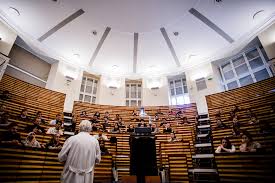
University of Szeged Albert Szent-Györgyi Medical School Szeged
The origins of the University of Szeged can be traced back to 1581, when István Báthory, the Prince of Transylvania, founded a higher education institution in Kolozsvár (today’s Cluj-Napoca, Romania).
About University of Szeged Albert Szent-Györgyi Medical School Szeged
The fledgling institution soon became esteemed, drawing scholars known throughout Europe and gaining the privilege of conferring baccalaureate and master’s degrees. By the end of the 16th century, it was the sole institution of higher learning in Hungary, serving as a core institution defining intellectual and academic life.
In the 18th century, Maria Theresa commissioned the Piarist order with reforming the institution and, as a result, the Faculty of Medicine and Surgery was created in 1775. At first, the curriculum included anatomy, surgery, and obstetrics, but new departments were added step by step from 1787.
University of Szeged Albert Szent-Györgyi Medical School Szeged – Table of Contents
- About
- Advantages
- Ranking
- Departments And Course Duration
- Facilities And Infrastructure
- Fee Structure
- Required Documents
- Eligibility Criteria
- Admission Process
- Benefits
- Privileges And Benefits for Indian Students
- FAQ’s
The university’s faculty also saw some changes: it was established as Classis Chirurgical in 1789, Faculties Medica in 1808, and subsequently Institute Medico-Chirurgical in 1817.
These establishments formed the basis for the Hungarian Royal University of Kolozsvár, which was established by Emperor Francis Joseph I in 1872. It was renamed after the emperor himself in 1881, a designation that lasted until 1940.

University of Szeged Albert Szent-Györgyi Medical School Szeged Accreditations, Affiliations, Recognitions
The university was transferred to Szeged in 1921, which was an important chapter in its history. During World War II, in 1940, a section of the institution returned to Kolozsvár, while the rest of the parts in Szeged were restructured and renamed the University of Miklós Horthy, named after the contemporary Hungarian governor.
Post-war, from 1945 to 1950, the institution reverted to the name University of Szeged. In 1951, the Medical Faculty was established as an independent institution, and it was named the Medical University of Szeged.
The university kept growing: Pharmacy education was established as a distinct faculty in 1957, and a Division of Dentistry was added to the medical faculty in 1962. The English-Language Medical Program was established in 1985 to open doors for international students, followed in 1999 by a German-Language Program. In 1987, the university was named after its world-famous professor, biochemist, Nobel Laureate, and former rector Albert Szent-Györgyi, who had made pioneering contributions to medicine and science.
In 2000, the Medical University was affiliated with the University of Szeged, and together with the Faculty of Pharmacy, it established the Albert Szent-Györgyi Medical and Pharmaceutical Center.
Subsequently, in 2007, the Faculty of Dentistry became autonomous, and the center was restructured into the Albert Szent-Györgyi Clinical Center, being not just a principal health care institution but also a leading entity in undergraduate and postgraduate training, PhD programs, and scientific inquiry. Its health care system standardization was finalized in 2008, further reinforcing its position as a medical and academic center.
Since its foundation, the school has been enriched and led by world-renowned professors like József Baló (Pathology), Béla Issekutz and Miklós Jancsó (Pharmacology), Dezső Miskolczy (Neurology), Géza Hetényi (Internal Medicine), and naturally Albert Szent-Györgyi (Biochemistry). The accreditation of the Faculty of Medicine was gained in 1996 and then renewed in 2006 when the Hungarian Accreditation Committee granted it the high title of “Excellency Place”.
Nowadays, the Albert Szent-Györgyi Medical School is a renowned institution of medical education, scientific research, and clinical practice, perpetuating its age-old tradition of excellence in science and health care as well as being a popular destination for students from all over the world.
Advantages of Studying in University of Szeged Albert Szent-Györgyi Medical School Szeged
International Recognition: The University of Szeged is one of the top institutions in Hungary and is recognized internationally with high-quality education.
Diverse Programs: The Medical School provides a range of medical and health sciences bachelor’s degrees, such as General Medicine (MD), Dental Medicine (DMD), Pharmacy, Nursing, and Physiotherapy, with several offered in English.
Hands-On Experience: The program stresses a combination of theoretical knowledge and practical, hands-on clinical practice incorporated throughout the program.
Scholarship Programs: Students can search for different scholarship programs available both from the university and third-party providers to offset the cost of tuition fees.
University & City Benefits
Global Setting: The university has a significant number of international students coming from diverse locations globally, creating a globalized and multicultural campus setting.
English Programs: You may obtain your degree using English, German, and French programs that appeal to a worldwide student population.
Location: The Albert Szent-Györgyi Medical School is in Szeged, a city with beautiful buildings and historical significance, which makes for an attractive and pleasant student experience.
Other Possible Advantages
Selective Admissions: The institution has a selective admissions policy where acceptance is primarily dependent on academic standards, reflecting a high level of student caliber.
Cost-Effective: Although tuition is an important aspect, the total cost of attending Hungary can be an attraction for foreign students relative to other nations.
Latest Notifications:
University of Szeged Albert Szent-Györgyi Medical School Szeged – Ranking
International Recognition: The University of Szeged is one of the top institutions in Hungary and is recognized internationally with high-quality education.
Diverse Programs: The Medical School provides a range of medical and health sciences bachelor’s degrees, such as General Medicine (MD), Dental Medicine (DMD), Pharmacy, Nursing, and Physiotherapy, with several offered in English.
Hands-On Experience: The program stresses a combination of theoretical knowledge and practical, hands-on clinical practice incorporated throughout the program.
Scholarship Programs: Students can search for different scholarship programs available both from the university and third-party providers to offset the cost of tuition fees.
University & City Benefits
Global Setting: The university has a significant number of international students coming from diverse locations globally, creating a globalized and multicultural campus setting.
Other Possible Advantages
Selective Admissions: The institution has a selective admissions policy where acceptance is primarily dependent on academic standards, reflecting a high level of student caliber.
Cost-Effective: Although tuition is an important aspect, the total cost of attending Hungary can be an attraction for foreign students relative to other nations.
Departments And Course Duration in University of Szeged Albert Szent-Györgyi Medical School Szeged
Course Duration
- The MBBS/General Medicine program is a 6-year program (12 semesters).
- It follows the European Credit Transfer System (ECTS) and is taught in Hungarian, English, and German.
- The program includes:
- Pre-clinical phase (Years 1–2): Basic medical sciences, anatomy, physiology, biochemistry, biophysics, behavioral sciences.
- Clinical phase (Years 3–4): Pathology, microbiology, pharmacology, internal medicine, surgery, pediatrics, obstetrics & gynecology, community medicine.
- Clinical rotations (Years 5–6): Practical training in hospitals and clinics across various specialties.
- After successful completion, students are awarded the Doctor of Medicine (MD) degree, which is internationally recognized.
Major Departments
The Faculty of Medicine has a wide range of departments covering basic sciences, pre-clinical, and clinical disciplines.
Basic & Pre-Clinical Sciences
- Department of Anatomy, Histology, and Embryology
- Department of Biochemistry
- Department of Physiology
- Department of Medical Chemistry and Biophysics
- Department of Behavioral Sciences
Pathological & Laboratory Sciences
- Department of Pathology
- Department of Microbiology
- Department of Immunology
- Department of Forensic Medicine
Clinical Sciences
- Department of Internal Medicine
- Department of Surgery
- Department of Obstetrics and Gynecology
- Department of Pediatrics
- Department of Neurology
- Department of Psychiatry
- Department of Ophthalmology
- Department of Dermatology and Allergology
- Department of Orthopedics and Traumatology
- Department of Otorhinolaryngology (ENT)
- Department of Anesthesiology and Intensive Therapy
- Department of Urology
- Department of Cardiology
- Department of Oncology
Public Health & Community Medicine
- Department of Public Health
- Department of Family Medicine
Additional Academic Opportunities
- Elective courses in modern fields such as molecular medicine, genetics, neuroscience, and clinical research.
- Opportunities for early research involvement and entry into PhD programs.
Latest Updates:
Facilities And Infrastructure in University of Szeged Albert Szent-Györgyi Medical School Szeged
University of Szeged – Albert Szent-Györgyi Medical School, Szeged
Campus & College Infrastructure
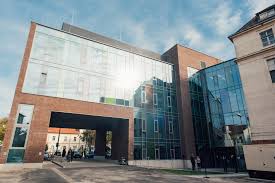
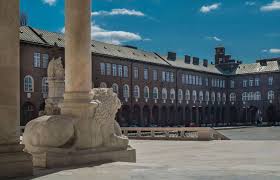
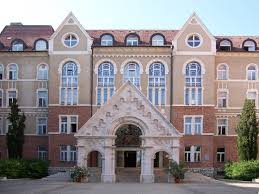
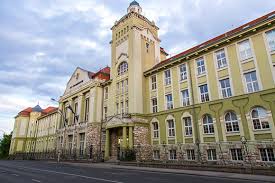
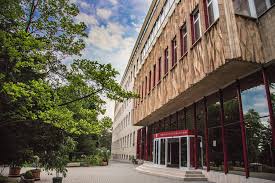
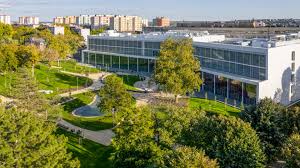
The University of Szeged is one of the most modern universities in Hungary, with a well-structured campus spread across the city of Szeged.
The Albert Szent-Györgyi Medical School is equipped with state-of-the-art lecture halls, modern classrooms, and multimedia teaching facilities.
Laboratories and simulation centers are designed to integrate theoretical knowledge with practical skills, ensuring students receive a balanced medical education.
Laboratories & Research Centers
Advanced anatomy dissection halls and digital labs with 3D visualization systems.
Specialized labs for biochemistry, molecular biology, physiology, pathology, microbiology, and pharmacology.
Cutting-edge research centers in areas such as neuroscience, genetics, oncology, cardiovascular medicine, and molecular imaging.
Students have opportunities to join PhD-level research projects during their studies.
Clinical Training Facilities
The Albert Szent-Györgyi Clinical Center serves as both the teaching hospital and one of the largest health care institutions in Hungary.
It houses modern departments for surgery, cardiology, neurology, hematology, obstetrics & gynecology, pediatrics, internal medicine, and intensive care.
Students gain hands-on clinical experience through rotations and patient-centered training.
Simulation-based learning environments allow students to practice medical procedures in a controlled setting before treating real patients.
Library & Learning Resources
The Central University Library and the Faculty of Medicine Library offer access to thousands of medical textbooks, international journals, e-books, and online databases (e.g., PubMed, ScienceDirect).
Quiet study halls, group study rooms, and computer labs support academic needs.
Digital learning platforms are available to complement in-class and clinical teaching.
Hostels & Student Accommodation
The university provides modern dormitories and student hostels equipped with internet, laundry, and recreational facilities.
Many international students also opt for private apartments in Szeged, which is a student-friendly city with affordable living costs.
Canteen & Dining Facilities
University canteens and cafeterias offer a variety of Hungarian and international cuisines at student-friendly prices.
Vegetarian and dietary options are also available.
Sports & Extracurricular Activities
The University Sports Centre provides facilities for football, basketball, volleyball, swimming, tennis, and athletics.
A well-equipped gymnasium and fitness center is available to students.
Extracurricular activities include student organizations, cultural festivals, debate clubs, and international student societies that support cultural exchange.
Technology & Digital Infrastructure
High-speed campus-wide Wi-Fi and digital classrooms with smartboards and e-learning tools.
Access to telemedicine and medical informatics platforms for advanced learning.
Official site For University of Szeged Albert Szent-Györgyi Medical School Szeged: Click Here
University of Szeged Albert Szent-Györgyi Medical School Szeged Fee Structure
Approximately estimated fee will be 75 lakhs to 85 lakhs.
Required Documents For Admission in University of Szeged Albert Szent-Györgyi Medical School Szeged
- Valid passport (minimum 18 months validity)
- 10th and 12th-grade certificates and mark sheets
- Birth certificate
- Ten passport-sized photographs
- Official invitation letter from the university
- Authorization of all documents by the Ministry of External Affairs, New Delhi
- Legalization of all documents by the Egyptian Embassy
- Visa fees
- Bank receipt of first-year tuition fee payment
- Medical fitness certificate
Eligibility Criteria For Admission in University of Szeged Albert Szent-Györgyi Medical School Szeged
- The applicant should be a minimum of 17 to 18 years.
- They must have completed high school education from an accredited university/college.
- He or she should have passed 10+2 (high school education) before applying.
- Students in their last year of high school education are allowed to apply provided they can upload their school leaving certificate before the start of the semester.
- Must have knowledge of biology, chemistry, physics, and English.
Admission Process For University of Szeged Albert Szent-Györgyi Medical School Szeged
- Online Application: Fill out the application form and submit the required documents online.
- Fee Payment: Once the university reviews and approves the application, pay the required fees.
- Immigration Process: The university initiates the immigration process and issues an invitation letter after receiving the ministry order.
- Visa Approval: The visa approval process takes around 30 days.
- Screening: The university then undertakes a screening process in which the applicant must determine eligibility for admission to MBBS programs.
- Physical Copy of Admission Letter: A hard copy of the admission letter will be sent by the university, which you will need to complete the visa process and enrollment.
Get more details about the colleges in Georgia: Click Here
Benefits of Studying in University of Szeged Albert Szent-Györgyi Medical School Szeged
The Doctor of Medicine (MD) degree is recognized throughout the EU and accepted in most countries globally, such as the USA, UK, Canada, India, and other areas (with local licensing exams).
The university is listed on the World Directory of Medical Schools (WDOMS) and recognized by a number of international medical councils.
Robust Academic Reputation
One of Hungary’s oldest and most highly regarded medical schools with a heritage tracing back to the 16th century.
Nobel Laureate Albert Szent-Györgyi, discoverer of Vitamin C at this institution itself.
Consistently ranked among Hungary’s and Central Europe’s top universities.
Multilingual Medical Courses
Conducts MBBS/General Medicine courses in Hungarian, English, and German, and hosts students from over 100 nations.
English-medium MBBS is especially sought after by foreign students, including Indians.
Great Clinical Practice
Clinical rotations are conducted at the Albert Szent-Györgyi Clinical Center, which is one of the biggest and most modern hospitals in Hungary.
Students receive practical training at actual hospital environments, with exposure to state-of-the-art surgical units, ICUs, and specialty clinics.
Simulation-based labs train students prior to engaging with actual patients.
Research Opportunities
The university is a center of innovative research in biomedicine, neuroscience, oncology, cardiology, and genetics.
Students can participate in research activities and PhD programs after or during their MBBS.
Effective international partnerships ensure access to international scientific networks.
Contemporary Infrastructure & Facilities
Fitted with smart classrooms, digital laboratories, research laboratories, and cutting-edge libraries.
Advanced clinical building accommodates cardiology, neurology, hematology, and surgical care.
Comfortable learning atmosphere with well-furnished hostels, libraries, sports complexes, and student clubs.
Student-Friendly & Affordable City
Szeged is the “City of Sunshine”, providing a safe, lively, and student-friendly atmosphere.
Lower living expenses and fees compared to Western Europe, making it appealing to international students.
A cosmopolitan city with plenty of cafes, cultural activities, and part-time job opportunities for students.
Career & Global Opportunities
Graduates can apply for USMLE (USA), PLAB (UK), FMGE/NExT (India), and other licensing exams.
A strong global alumni network facilitates graduates in securing residencies and research positions.
The degree offers avenues to careers in clinical practice and medical research globally.
Studying at the University of Szeged – Albert Szent-Györgyi Medical School is a combination of high standards of European medical education, state-of-the-art facilities, global exposure, and low cost of living, an ideal option for future doctors.
Privileges And Benefits for Indian Students in University of Szeged Albert Szent-Györgyi Medical School Szeged
University of Szeged – Albert Szent-Györgyi Medical School, Szeged
NMC (MCI) Recognition & International Acceptance
MBBS/MD degree is recognized by the National Medical Commission (NMC), India. This implies that Indian students have the opportunity to come back and work in India once they clear the FMGE/NExT exam.
The university is also featured in the World Directory of Medical Schools (WDOMS), so its graduates can sit for exams like USMLE (USA), PLAB (UK), AMC (Australia), and MCC (Canada).
Cost-effective Education & Lifestyle
Living costs and tuition fees are less expensive when compared to nations like the USA, UK, or Australia, hence proving to be an affordable choice for Indian families.
Szeged has cheap accommodation, food, and transport, relieving Indians from financial burdens.
English-Medium MBBS Course
Indian students are able to learn the entire course of MBBS in English, doing away with any language hurdles.
Hungarian and German courses exist as well, but English MBBS is preferred among Indian students.
High-Caliber Clinical Exposure
Clinical rotations at Albert Szent-Györgyi Clinical Center offer hands-on patient handling experience in various specialties.
Training adheres to European Union (EU) standards, providing globally competitive medical education.
Opportunities for Advanced Studies & Research
Indian students are eligible to pursue PhD programs and research work after or during their MBBS.
Exposure to the latest research in oncology, cardiology, neuroscience, genetics, and molecular medicine.
Cultural & Student Support
A rising Indian and South Asian community of students provides cultural familiarity and peer support.
Indian student associations also celebrate festivals such as Diwali, Holi, and Independence Day to provide a sense of belonging when they are away from home.
The presence of Indian food restaurants and Indian grocery stores in Szeged makes it easy for the students to adapt.
Career Prospects
After graduation, one can opt for:
Returning to India and starting practice after clearing NExT/FMGE.
Residency in the USA, UK, Canada, or Europe through licensing exams.
Easy Mobility in Europe
Since Hungary is a member of the European Union & Schengen Zone, Indian students have the advantage of roaming around 26 European nations on holidays or internships.
Indian students, the University of Szeged – Albert Szent-Györgyi Medical School provides a perfect blend of global acclaim, low fees, English-medium teaching, robust clinical exposure, and cultural support, making it a safe option for seeking MBBS in Europe.
FAQ’s
Where do students get clinical training?
Students practice at the Albert Szent-Györgyi Clinical Center, one of Hungary’s largest hospitals, equipped with modern facilities for surgery, cardiology, neurology, pediatrics, internal medicine, and intensive care.
Does the university provide hostel accommodation?
Yes, The university offers dormitories and student hostels with modern facilities. Many international students also prefer private apartments, which are affordable in Szeged.
Do students need a visa to study in Hungary?
Yes, International students, including Indians, require a Hungarian student visa (D-type visa), which can be obtained after receiving the admission letter.
Is there an opportunity to travel in Europe?
Yes, Since Hungary is part of the European Union and Schengen Zone, students can travel to 26 European countries with a single visa during vacations or internships.
Is it a good choice for Indian students?
Yes, Indian students benefit from:
- NMC recognition (eligible for NExT/FMGE).
- Entire course available in English.
- Affordable fees and living costs.
- Existing Indian student community and access to Indian food.
Also Check:
Gallery
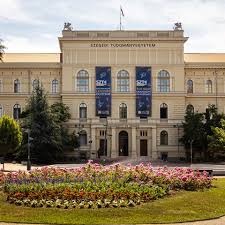
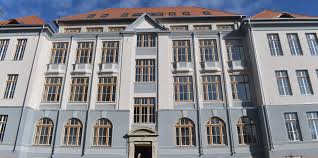
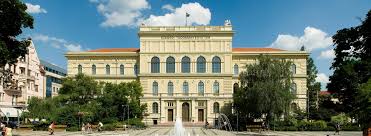



Map View

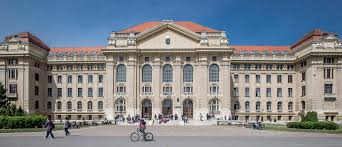
University of Debrecen Faculty of General Medicine Debrecen
University of Debrecen Faculty of General Medicine Debrecen The Debrecen tradition
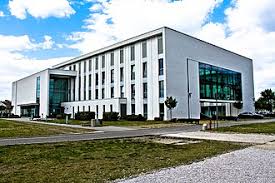

University of Pécs Faculty of General Medicine Pecs Hungary
University of Pécs Faculty of General Medicine Pecs Hungary “The University
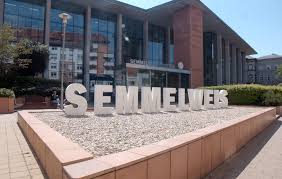
Semmelweis University Faculty of General Medicine Budapest
Semmelweis University Faculty of General Medicine Budapest The past of Semmelweis